Audience
What UNBOUND 2026 Confirmed for Us About Marketing Decision Intelligence
 Nita Patel · Sep 23, 2026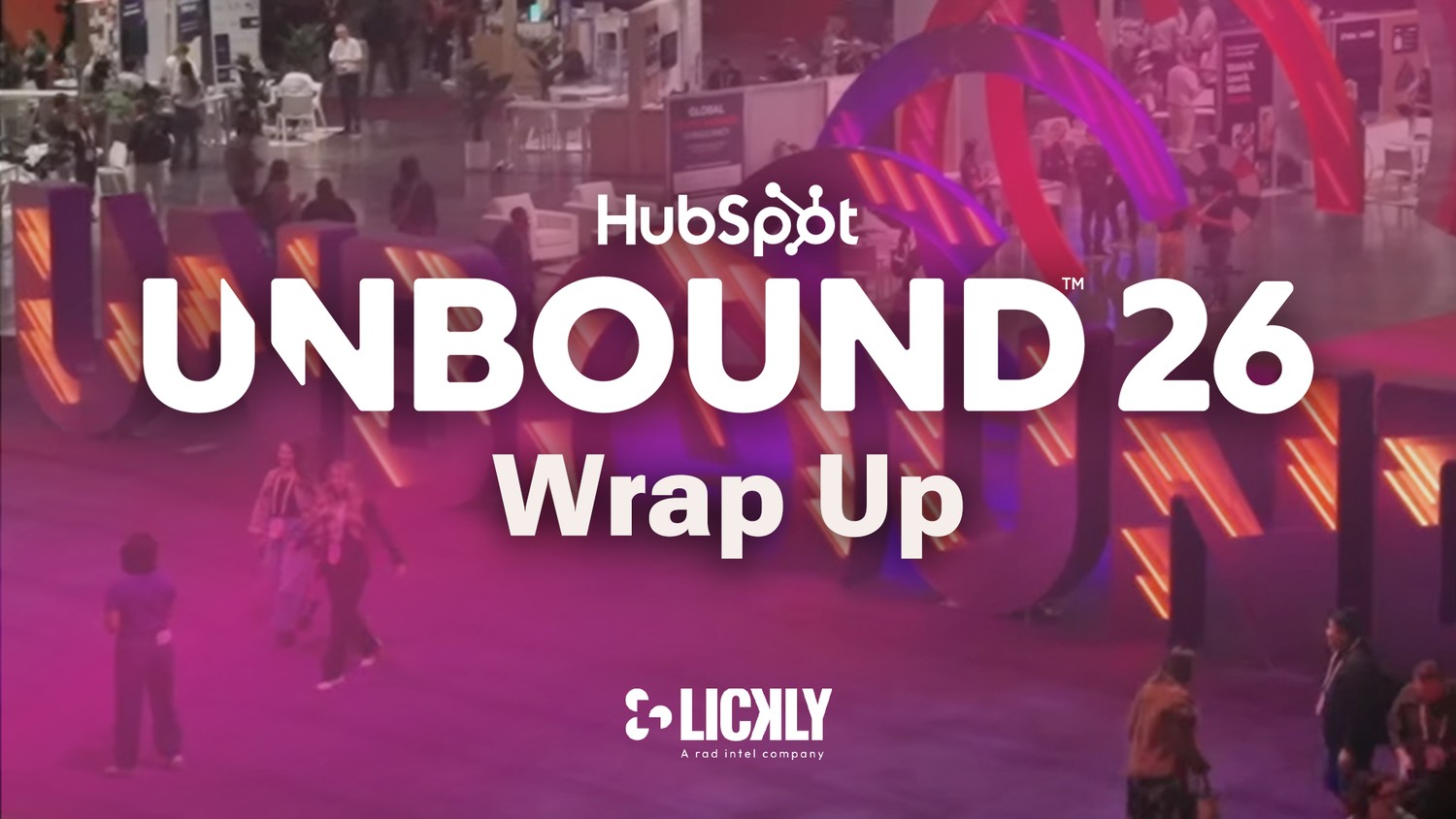
We came to Boston for UNBOUND 2026 with a clear point of view, and we left more convinced of it than when we walked in.
Marketers aren't short on data. We have dashboards, attribution models, analytics, AI that will answer almost anything you ask it, and more ways to measure what already happened than anyone has time to read. What we still can't answer easily is the simplest question of all: what should we do next?
That question is why we introduced the new Lickly brand and our expanded Decision Intelligence vision at the show. For us, that means helping marketers make better decisions with evidence they can actually point to. After three days with marketers, agencies and business leaders, we were even more convinced.
The creator isn't the first question
We built Lickly around the belief that understanding the audience should come first. When you know who you’re trying to reach, what matters to them and who they already trust, you have a much stronger basis for deciding which creators make sense.
That audience-first approach is still the core of what we do, but UNBOUND pushed the idea further. A lot of the marketers we met already had teams sourcing and contacting creators, so a longer list of names wasn't their problem. Others wanted to understand their audiences in more depth, sharpen their competitive intelligence, or work out how influencer marketing translates to B2B. Some weren't running much influencer activity at all and still saw a use for the intelligence everywhere else in their marketing.
Different companies, different industries, different use cases, and almost all of them came back to the same underlying question: where do I put the next marketing dollar? That's a long way from “can you help me find an influencer?”
Influence is turning up in places you might not expect
What stood out was the range of people who wanted to have this conversation. We talked with marketers in travel, financial services, manufacturing, technology, professional services and healthcare. Some had mature creator programs, while others were just starting to look.
B2B stood out. Influence has never belonged only to consumer brands. Buyers in complex markets still follow people they respect, still lean on experts, and still spend time in the communities and content that shape what they believe. What changes is the profile of the person doing the influencing: an industry voice on LinkedIn rather than a lifestyle creator on Instagram. The creator looks different, but the same principle applies: understanding who the audience trusts and why.
Audience Intelligence is where it starts, not where it ends
One of the things I value most about an event like UNBOUND is hearing people describe their problems in their own words, before we hand them a category name. Almost no one opens with “I need Decision Intelligence.” They open with something more concrete: we need to understand this audience, we don't know which creators make sense, we have to stand out from our competitors, we're doing too much of this by hand, we have the data but we're not sure where the budget should go.
Those can look like five separate problems, and we're less and less convinced that they are. Audience Intelligence tells you who you're trying to move and why they behave the way they do. Add creator, competitive and campaign intelligence and you get more context. The real value is in connecting that evidence to the decision that comes next.
I said as much on stage when we launched the new positioning: marketers already have dashboards and AI tools handing them answers. They need a clearer path from those answers to a decision, with enough evidence to defend the call when someone asks why. That's the path we're on, from Audience Intelligence to Decision Intelligence.
Intelligence is worth more when you can act on it
UNBOUND also gave us the chance to share the floor with RAD Intel and our sister company, AVC. Sharing the booth, we saw how easily conversations moved across the lines between what each of us does.
A conversation about understanding an audience could quickly become one about creative strategy, paid media or how to reach a particular community. That's how marketers actually work. The decision about who to reach affects who you work with, what you create, where you invest and how you bring the campaign to market.
That made the opportunity we see across RAD Intel, Lickly and AVC feel much more tangible. Lickly helps strengthen the intelligence behind the decision. AVC brings deep cultural and creative expertise to how brands act on it. And RAD Intel is building a portfolio around the idea that better intelligence should lead to better business decisions.
From what happened to what happens next
We launched a new Lickly at UNBOUND: new brand, bigger ambition, and a promise we’re building around, which is Marketing Decisions You Can Defend.
The conversations we had throughout the week kept coming back to the same need. Marketers have plenty of information to interpret. They need better ways to read the evidence, apply their own judgement and decide what earns the next dollar.
Better marketing decisions still require judgement. What AI can change is the amount of evidence a marketer has available before making the call. We already know marketing can produce more data than we can use. The question that actually matters is whether all of that intelligence helps you make a better decision while there's still time to make it. That's what we're building.