The One-Stop Shop Problem in Influencer Marketing


Why consolidation works when intelligence comes first
Every influencer platform claims to be end-to-end.
Discovery. Outreach. Content. Reporting. All in one place.
Most teams reading this have tried those platforms. Not as observers, but as practitioners responsible for real outcomes. And the frustration is familiar. The promise of simplicity is compelling. The execution often falls short.
What’s interesting is why.
The issue isn’t ambition. It’s sequencing.
Many platforms consolidate execution before they help teams make better decisions. They centralize workflows, but leave the most important questions unanswered. Who are we actually trying to influence? Where do those conversations already live? What kind of content belongs there? What should we reasonably expect before we spend?
When those decisions aren’t supported upstream, consolidation can feel like compression rather than clarity. Teams move faster, but not necessarily smarter. In response, many have turned to AI prompts as a shortcut—asking models to summarize, recommend, or explain what the platform itself hasn’t surfaced. That behavior reflects a desire for clarity earlier in the process, not more automation at the end.
This is where the opportunity sits.
A true one-stop system doesn’t just bring tools together. It brings context forward. It helps teams understand the micro-communities that actually drive influence—the niche conversations, formats, and cultural norms that determine whether content feels native or interruptive.
When platforms surface that intelligence first, consolidation starts to work differently.
Planning improves because teams know which communities matter and why. Creator selection becomes a fit exercise, not a search exercise. Briefs get clearer. Approvals get easier. Performance expectations are set before launch instead of explained after.
In that model, execution features don’t overwhelm. They compound.
Lickly is built around that shift.
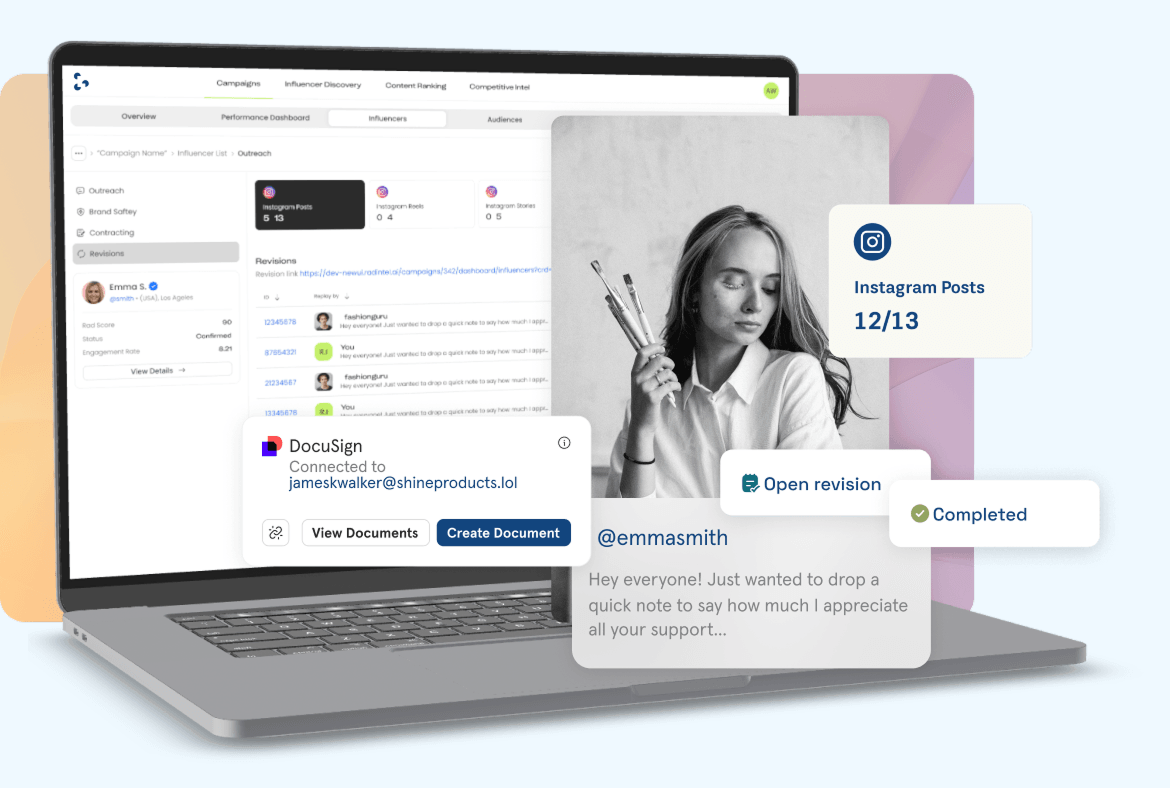
Its approach to “one-stop” starts with decision quality grounded in audience behavior and micro-community insight. Planning, execution, and learning live in the same system so teams don’t lose cultural context or performance insight between campaigns.
The goal isn’t to have every feature. It’s to make fewer guesses. Reduce uncertainty. Understand the culture shaping how people talk, share, and decide within your industry—and spot where opportunity is forming before you spend.
When micro-community intelligence guides decisions early, influencer marketing becomes easier to run, easier to defend internally, and easier to improve over time. Consolidation stops being about control and starts being about confidence.
That’s the opportunity the next generation of influencer platforms is built to unlock.