What the World Cup Reveals About Audience Intelligence
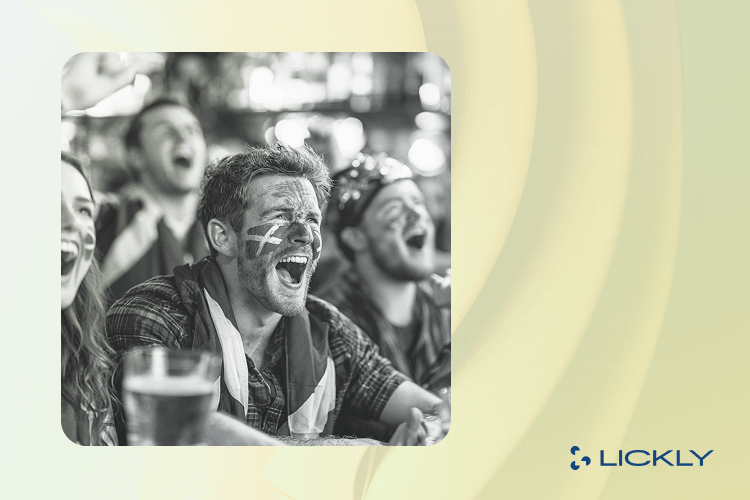

Every brand running an influencer campaign around this World Cup is searching for the same thing: soccer creators, sports content, fan culture. That search will return thousands of results while overlooking the audience most likely to drive performance.
Tournament audiences don't organize themselves around the sport alone, and brands treating them as if they do are leaving one of the biggest opportunities in influencer marketing on the table. People don’t participate in cultural moments for the same reasons, even when they’re watching the same event.
One tournament, hundreds of audiences
Lumping everyone into "World Cup fans" makes the tournament look far more uniform than it actually is. It brings together millions of people from dozens of countries, but the communities forming around it have very different motivations.
Some travel across continents to follow their national team. Others organize local watch parties with family and friends. Some turn the tournament into a weeks-long road trip. Others use it as a reason to reconnect with cultural traditions or diaspora communities. They all care about the same event, but they don't behave the same way.
That's what makes major cultural moments so interesting from an influencer marketing perspective. The event creates attention. The audience creates thousands of smaller communities inside it, each with different behaviors, interests and decision-making patterns. That nuance disappears quickly when discovery starts with creator categories.
Categories only tell part of the story
Scotland has sent somewhere between 20,000 and 40,000 supporters to the United States for this tournament. Within that audience, Lickly identified a much smaller community that a traditional creator search would likely miss: socially active Scotland supporters who build entire trips around major tournaments, whose online behavior makes their motivations unusually visible. We call them Tartan Travelers. This community emerged from thousands of overlapping behavioral signals that traditional discovery tools don't connect.
A sports-category filter captures what this audience follows, but not how they behave. Behaviorally, they're researching local restaurants, music venues and neighborhoods before they arrive. They're documenting their trips in real time. They're looking for pubs hosting Scotland watch parties, following Tartan Army meetup content and engaging with posts from supporters already exploring American host cities. Long before kickoff, they're helping one another decide where to go, what to see and who to meet.
None of that shows up inside a "soccer influencer" category. It exists in the audience behaviors surrounding the tournament, which most discovery platforms never analyze because they stop at content category and assume they've found the audience.
Small audiences, clearer intent
The Tartan Travelers are a fraction of Scotland's total turnout — a few thousand people inside a wave of tens of thousands. Judged purely on size, a segment like that is easy for a mass-marketing brief to write off.
That instinct gets the math backwards. Smaller, more specific audiences tend to reveal motivation with far more clarity than broad ones, precisely because their participation is driven by genuine interest rather than incidental exposure. Lickly's predictive benchmarks estimated stronger click-through rates, higher engagement, lower acquisition costs and greater lifetime value for this audience than its baseline audience model. Tight-knit groups also move information faster among themselves — when everyone already cares about the same thing, a single piece of content travels through the community at a different speed than it would through a generic audience.
It's the same dynamic that allows niche influencer communities to outperform their size on paper. Treating AI audience targeting purely as a reach optimization problem misses exactly the kind of segment that drives outsized results relative to its scale.
Turning audience insights into creator strategy
Once a brand identifies a community like the Tartan Travelers, creator selection changes. Instead of searching for the biggest soccer creator, brands can prioritize creators whose audiences already overlap with Scotland supporters planning trips, sharing recommendations and organizing around the tournament. That creator may be a travel creator, a local food creator or someone documenting fan gatherings rather than match analysis.
The content naturally follows from there. Instead of another generic World Cup promotion, creators build on conversations the community is already having — where supporters are gathering, which neighborhoods they're exploring and what experiences they're recommending to one another.
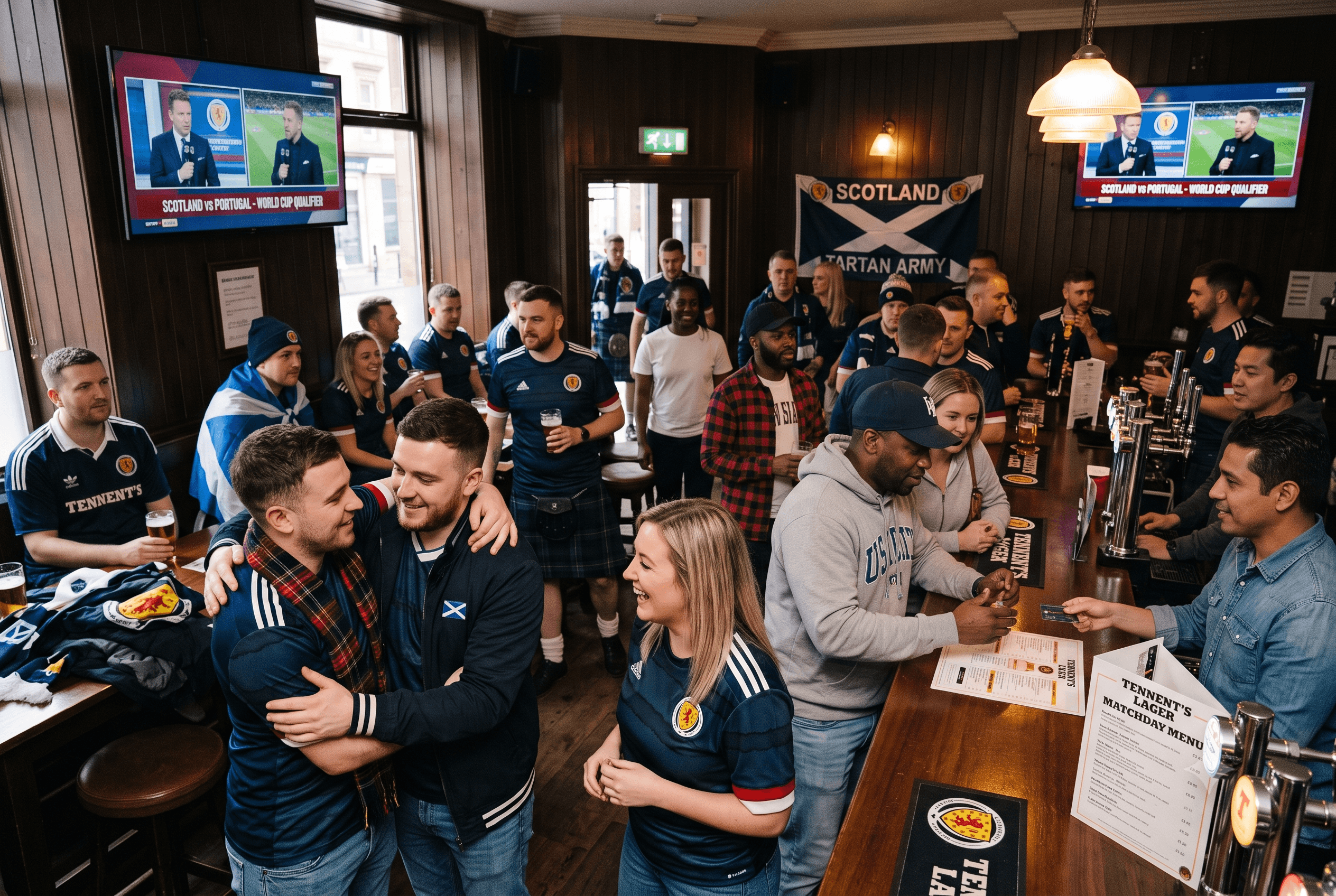
The culture around this audience already exists. The opportunity is partnering with creators who have already earned credibility inside it.
Why content categories aren't enough
Traditional influencer marketing platforms begin with content categories: sports, travel, lifestyle, food. That's useful for organizing creators, but it's a poor way to understand audiences.
The Tartan Travelers sit across multiple categories without fitting neatly into any of them. They're sports fans. They're travelers. They're cultural communities. They're local explorers. Searching any one of those categories captures only part of the picture.
Lickly approaches discovery from the opposite direction. Instead of asking which creators talk about soccer, it identifies the communities forming around an event, a brand or a cultural moment, then surfaces the creators already trusted within those communities.
The same pattern exists across every country participating in this tournament. Scotland simply makes it easy to see. Every national fanbase creates its own behaviors, traditions and communities that sit beneath the headline event.
The World Cup rewards brands that can distinguish one community from another. Bigger creator budgets buy more reach, but they're no substitute for understanding how audiences actually organize themselves around the tournament.
Most influencer platforms optimize creator discovery. Lickly optimizes audience alignment. That difference changes every downstream decision — from creator selection to performance outcomes.
Book a demo to see how it works.