Influencer Marketing KPIs: What to Track to Prove ROI


At some point, every team running influencer campaigns gets the same request from leadership: prove it's working. Not "did the content perform well?" or "did people engage?" Prove the budget generated a return the business can justify.
The answer starts with the right influencer marketing KPIs, but it doesn’t end there. Every campaign should report reach, engagement rate, impressions, clicks, conversions and, where possible, revenue or return on ad spend (ROAS). Those metrics explain what happened after a campaign launched. Leadership still has to piece together why it happened. That’s the difference between reporting and understanding performance.
Leadership is using the report to decide whether to fund the next campaign. Proving ROI consistently takes more than reporting metrics. It requires evidence that the creator's audience was the right fit before the campaign ever began.
The influencer marketing KPIs every campaign needs
Some metrics belong in every report because they provide a consistent picture of campaign performance. Reach and impressions, which show how many people saw the campaign. Engagement rate and click-through rate, which show how audiences responded. And conversions and revenue or ROAS, which show whether people took action afterward. They're the foundation of almost every campaign report for good reason. They make it possible to compare campaigns using a shared set of performance measures.
But a report showing high engagement and strong reach still leaves leadership wondering whether the campaign succeeded because the creator was the right choice or because the content happened to perform well. Those are very different explanations, and only one helps improve the next investment.
The gap between reporting and ROI
Here's where the numbers stop being enough. A skincare creator might produce exceptional engagement because their audience loves tutorials, before-and-after transformations and beauty routines. That same audience may have very little interest in trying new products or purchasing recommendations. Another creator with lower engagement may have a smaller community that actively compares products, asks for recommendations and discusses buying decisions. On paper, the first campaign appears stronger. Commercially, the second may outperform it.
Campaign performance tells only part of the story. Traditional reporting metrics can't tell you whether the audience behind that performance was ever the right commercial fit.
The value is in the timing
By the time reach, engagement rate and conversions appear in a report, the most important decisions have already been made. The creator has been selected. The budget has been approved. The brief has been written.
That's what makes reporting KPIs fundamentally different from audience indicators. Reporting metrics tell you whether the decision worked. They can't help you make a better one because they arrive after the opportunity to change course has already passed.
Leadership still needs those numbers. But they're also evaluating the quality of the decision behind them. Was this the right creator? Was this the right audience? What evidence supported that decision? Those questions can't be answered with a post-campaign dashboard alone.
The metrics that shape better decisions
This is where a second layer of KPIs becomes valuable. Rather than describing campaign performance after launch, these indicators help predict whether a creator is likely to deliver business value before they're selected.
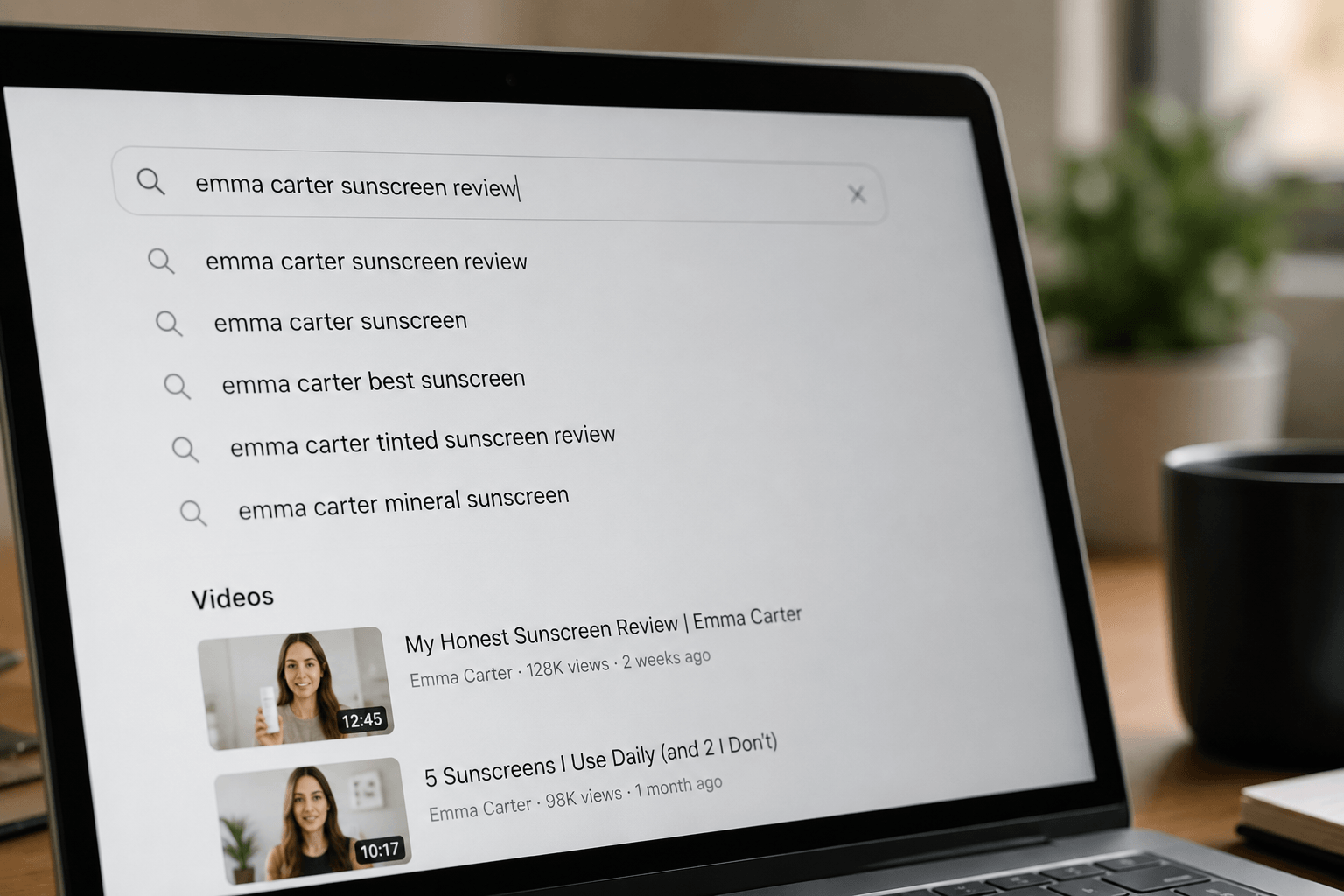
Category intent
Is the creator's audience already discussing the problem the brand solves, or are they simply consuming adjacent content? Audiences already thinking about the problem are more likely to recognize a product's value when it's recommended.
Community trust
Does this audience already rely on the creator when making decisions in the category, or do they simply enjoy the content? An audience that consistently asks for recommendations, follows up on products they've mentioned and treats the creator as a trusted source behaves very differently from one that's simply entertained. That trust is far more predictive of purchasing behavior than audience size alone.
Segment-level engagement
A blended engagement rate can hide meaningful differences across an audience. Understanding which segments are actually engaging provides a much clearer picture of whether the people responding are the people a brand wants to reach.
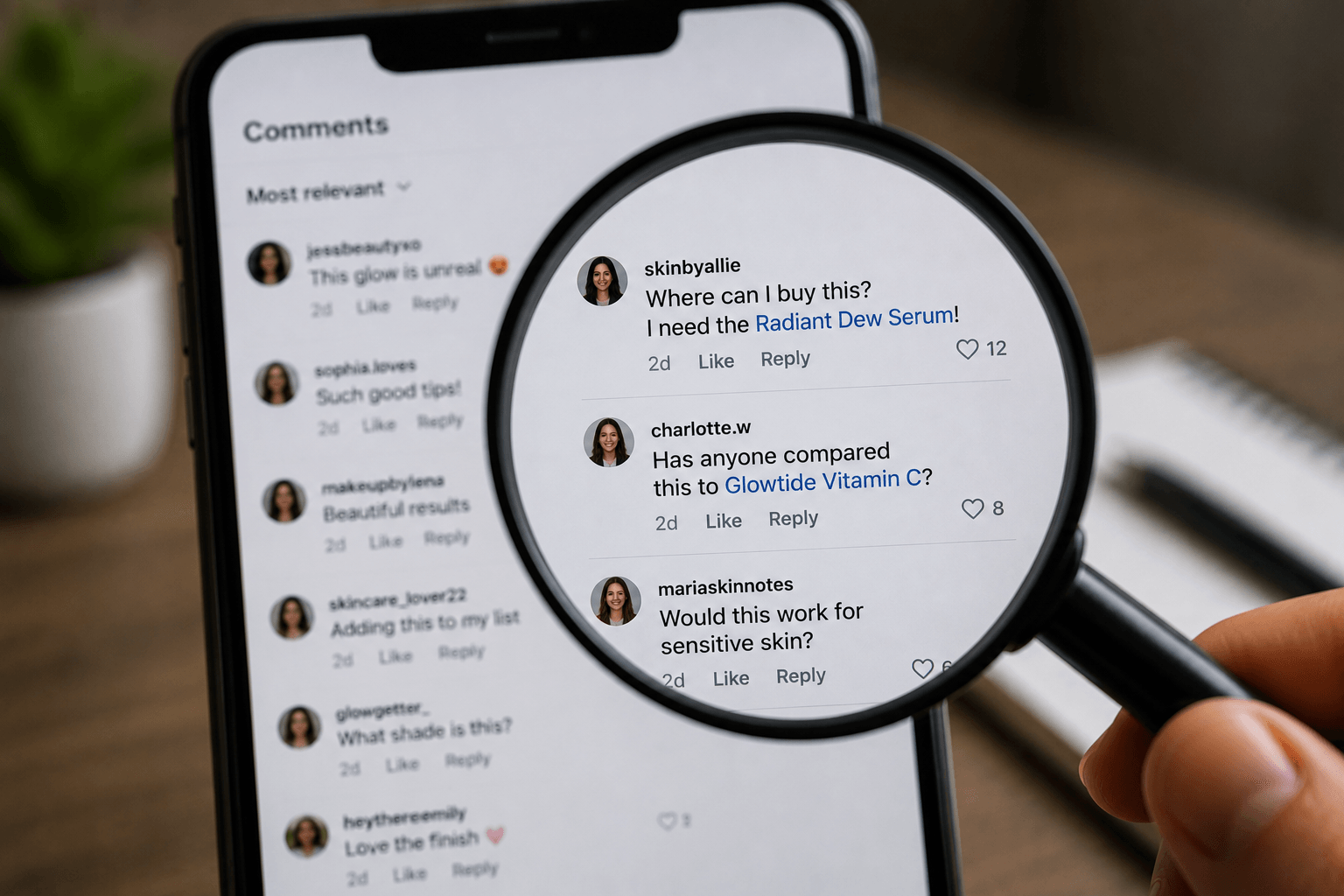
Purchase-adjacent language
Comments asking where to buy, comparing alternatives or describing the need a product solves reveal much stronger commercial intent than likes or generic positive sentiment.
These predictive indicators belong alongside traditional reporting metrics. Together, they answer the two questions leadership is actually asking: what happened, and was there evidence this outcome was likely before the campaign even launched? Their value comes from timing. Because these indicators are available before a creator is selected, they can shape the decision instead of simply documenting the outcome.
Better decisions start earlier
Thinking about performance this way changes campaign planning first: instead of starting with a list of creators in a category, teams start by identifying the audiences they actually need to influence, then work backward to the creators who have already earned those communities' trust.
It also changes the approval conversation. Leadership isn't asked to sign off on a creator because they have strong performance metrics — they're presented with evidence that explains why this audience is likely to produce a stronger commercial outcome than the alternatives.
And it changes what a review meeting looks like. Instead of walking in with charts that summarize what happened, a team can tell a complete story: why this creator was selected, what audience evidence supported that decision, and how the campaign ultimately performed.
Turning better inputs into better outcomes
This is the workflow Lickly is built to support. Instead of focusing exclusively on creator performance after a campaign runs, Lickly surfaces audience intelligence before a creator is ever selected — category intent, community trust, purchase-adjacent conversation and audience alignment, evaluated alongside the reporting metrics teams already track, so that evidence is informing creator selection before budget is committed.
When campaign performance is viewed alongside the audience signals that informed the original decision, the report tells a much more complete story. Proving ROI becomes less about defending results after the fact and more about showing that the strategy was grounded in evidence from the start.
Reach and engagement rate will always belong in an influencer marketing report. They remain valuable measures of performance. But they're only part of the story. By the time a campaign launches, the case for ROI should already exist. Reporting simply shows how that decision played out.
The quality of every creator decision depends on the quality of the audience understanding behind it.
Most influencer platforms optimize creator discovery. Lickly optimizes audience alignment. That difference changes every downstream decision — from creator selection to performance outcomes.
Book a demo to see how it works.