
Audience
The Next Generation of Audience Insights Starts With Language
 Nita Patel · Jun 19, 2026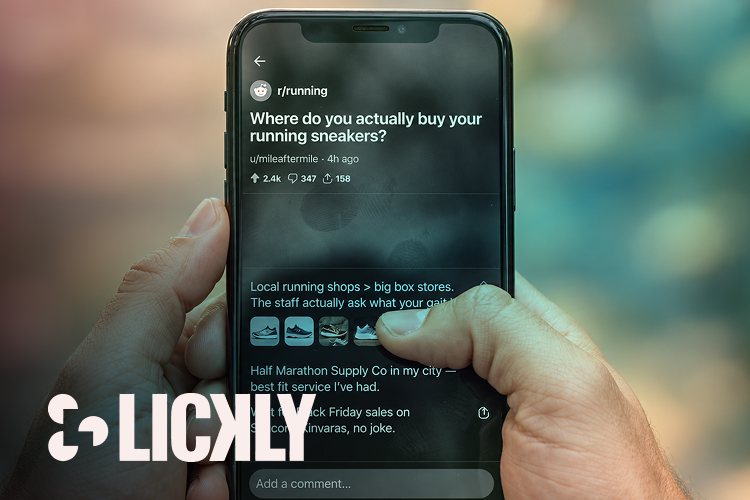
Audience insights have traditionally been built from behavioral signals. Meta's investment in Forum — a platform around discussions, community answers and deeper exchanges — points to a broader shift.
Meta already has more behavioral data than almost any company on the planet. Click patterns, purchase signals, ad engagement, time spent — decades of it. So why invest in building another environment designed specifically to capture how people talk? What does that tell us about where audience insights are heading, and how influencer marketing teams will need to adapt?
What behavioral data leaves out
The modern marketing playbook was built on behavioral data. Clicks, page visits, video views, engagement rates — behavior became the evidence base for decisions about who to target, which creators to work with and what content to produce.
It was always a partial picture. Behavior tells you what happened, but it rarely explains why. A high engagement rate confirms that something landed, but it doesn't tell you what the audience was thinking before the content went live, what question they were trying to answer or what would have resonated more deeply. Teams could see the outcome. The motivation behind it stayed hidden.
That's starting to change. Across community platforms, forums, AI tools and social spaces, people are increasingly expressing intent through language rather than just signaling it through behavior. They're asking detailed questions in public, comparing options in community threads and describing what they need before they've made a decision.
A thread asking "which running shoe actually holds up for trail running, not just road running?" tells you more than a thousand product page visits. It contains identity, motivation, the specific distinction that matters to this person and the context around their decision before a purchase ever happens. Behavioral data alone often misses that level of audience context.
The missing layer of influencer intelligence
The influencer marketing intelligence most brand teams rely on is built around what already happened. Engagement rates after content went live. Follower benchmarks. Click-through rates on past campaigns. These signals are real. They just arrive too late to change the decisions that matter most — which creators to work with, what the brief should say and whether the audience fit is real.
The conversations happening inside micro-communities contain influencer intelligence that no engagement dashboard captures. They show which content themes are gaining traction before they become obvious in trend reports. They reveal which creators carry genuine trust inside a community and why.
They surface the objections, motivations and tradeoffs your audience is working through right now — not what they engaged with three months ago.
That's the layer of audience intelligence most teams are missing. Every audience community generates a constant flow of conversations about needs, preferences and decisions. Most influencer marketing tools focus on behavioral metrics, making those conversations difficult to capture and analyze.
From audience conversations to better creator decisions
Imagine walking into a creator brief already knowing what your audience is actively debating — with direct visibility into the questions they're asking, the language they use to describe their problems and the creators already earning their trust.
That's what changes when influencer marketing is built on conversational intelligence rather than behavioral data. The brief is grounded in what people are actively discussing, comparing and trying to solve. Creator selection stops being a match on category and follower count and starts being a match on genuine community trust. The content direction follows from what the audience is already saying rather than what performed last time.
Lickly is built to surface that layer before a campaign begins — mapping the language and signals inside the micro-communities that matter to your brand, tracking which themes are gaining traction and identifying which creators carry real trust inside the spaces where your audience is already talking. The audience insights it surfaces are rooted in active conversations rather than historical performance metrics.
The audience is already telling you what matters
Meta's Forum launch is one signal among many. Across every major platform, the richest audience insights are increasingly found in what people say rather than what they do. Language is becoming the behavior worth reading.
For influencer marketing teams, that shift creates a real advantage for the brands that move first. The audience is already expressing what they need, what they trust and what they're deciding between — in the communities where they spend time, in the questions they ask and in the conversations happening long before a campaign brief gets written.
The audience intelligence that drives better campaigns is already there. Lickly is built to read it.
Most influencer platforms optimize creator discovery. Lickly optimizes audience alignment. That difference changes every downstream decision — from creator selection to performance outcomes.
Book a demo to see how it works.