Influencer Marketing Trends Don't Appear Overnight. Here's Where They Start.


Most influencer marketing trends are visible before the industry recognizes them.
Smaller creators converting better than celebrity influencers. Podcast hosts driving stronger purchase behavior than social campaigns. Creator partnerships being evaluated like performance channels instead of brand awareness plays.
Teams only recognized them once reporting frameworks caught up to what audiences were already doing.
That’s not to knock reports. The real issue is how teams define influencer strategy. Teams were optimizing around visibility metrics while audience behavior was already shifting underneath them.
The earliest shifts in influencer marketing start inside micro-communities. Audience behavior shifts there first, before platforms, reports or brands fully catch on. Brands that identify those shifts early are usually paying attention to audience behavior before it reaches the wider market.
The trends everyone's talking about now
Take three of the biggest influencer marketing trends shaping 2026. Each one follows the same pattern, and each one was visible well before it became conventional wisdom.
Nano-influencers outperforming everyone
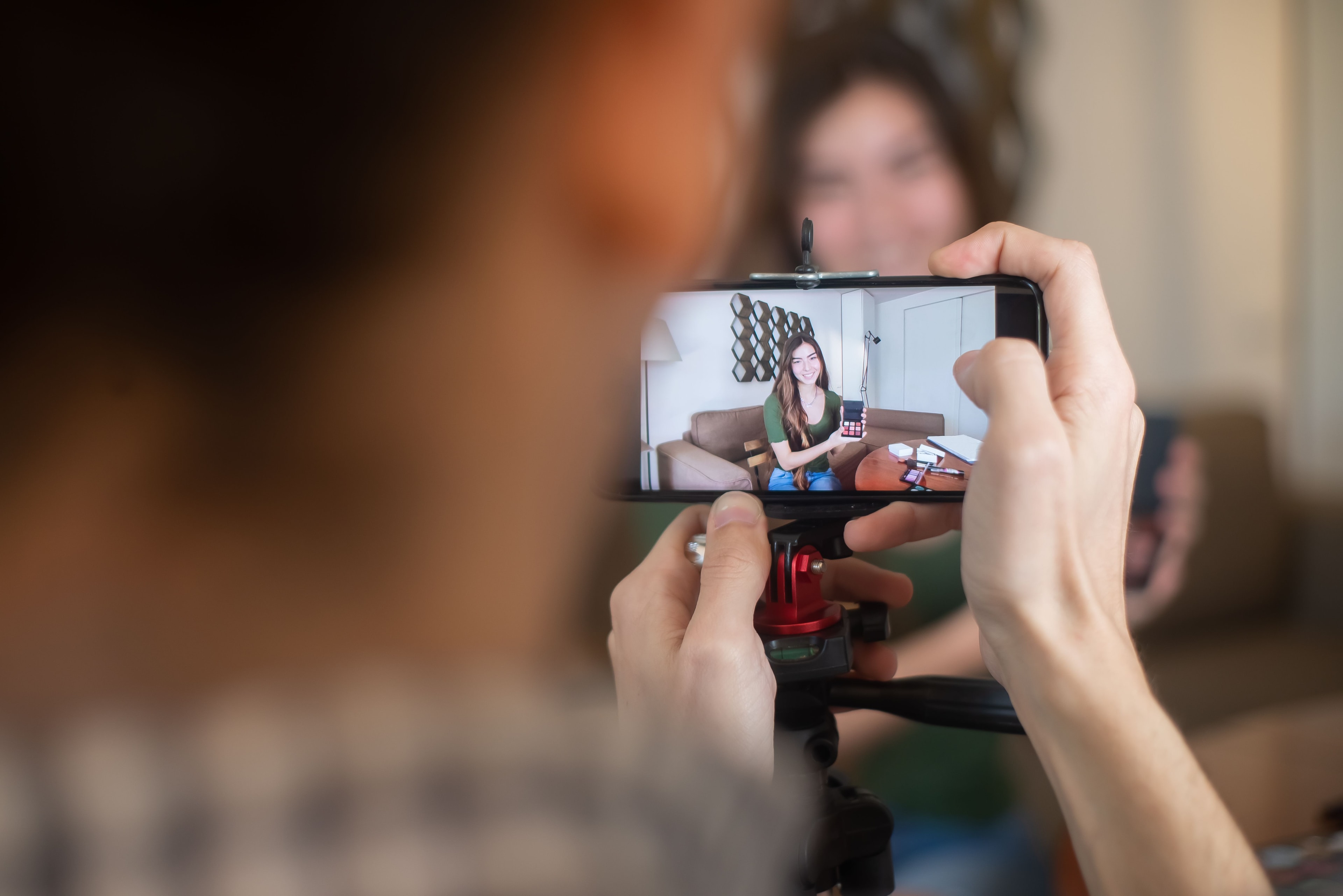
It’s now well-documented that nano-influencers, or creators with under 10,000 followers, are delivering engagement rates above 10% on TikTok. Mega-influencers, by comparison, average under 1% engagement across social platforms. Brands across wellness, gaming and fashion are actively shifting budgets toward them. This didn’t originate in a boardroom. For years before it became industry consensus, tight-knit communities around specific interests — sustainable skincare, indoor climbing and specialty coffee — were generating outsized purchase behavior through exactly these kinds of small, high-trust creators. Most brands didn’t recognize the shift until broader reporting validated it.
The rise of Substack and podcast creators as brand partners
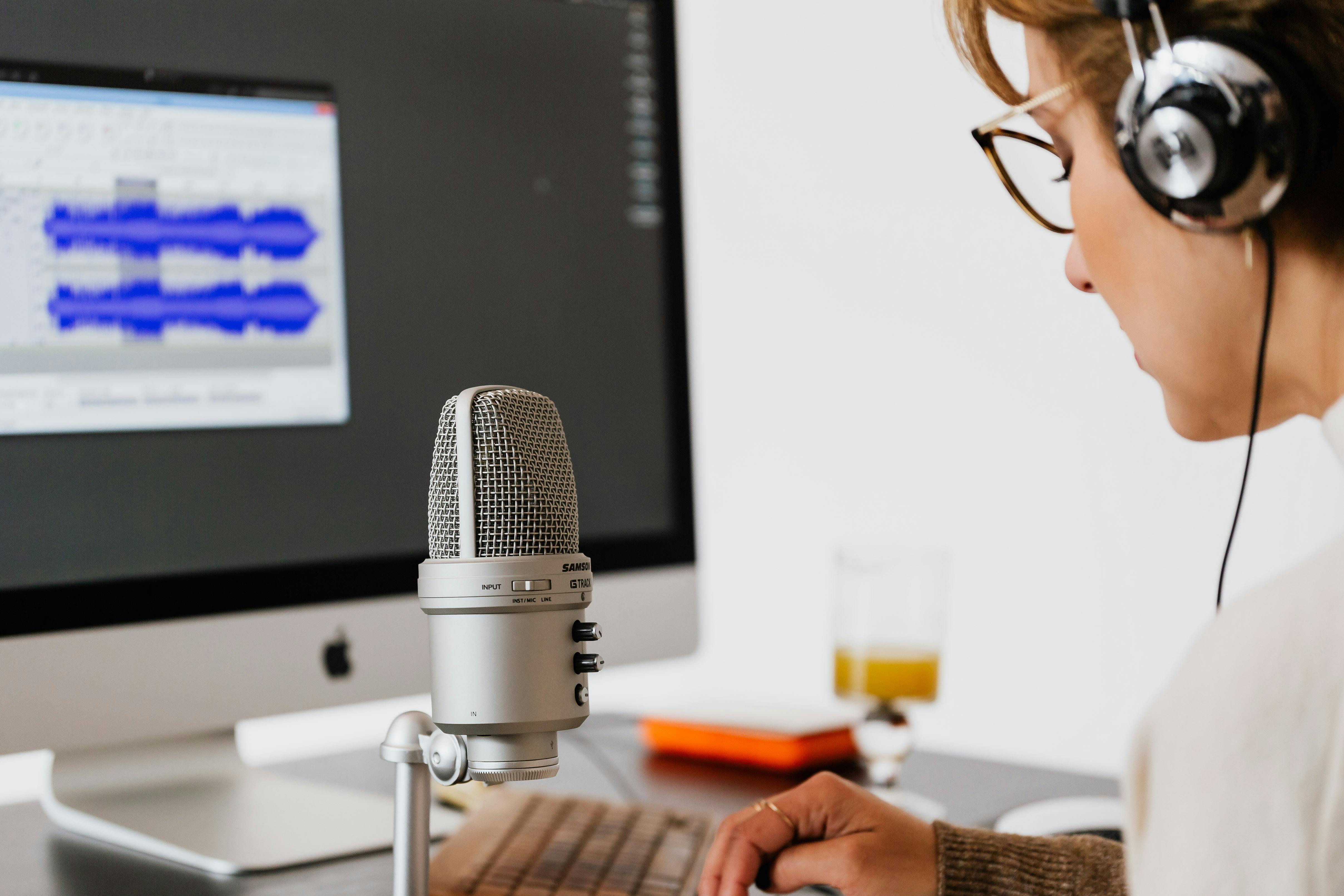
With platforms like Substack and Beehiiv, creators can build direct audience relationships outside of algorithm-dependent feeds. It started with audiences moving toward longer-form content and direct creator relationships inside niche communities. Brands that were tracking where their audience's attention was moving saw this coming. Those relying on platform-level trend reports were late.
Hybrid compensation replacing flat fees

The shift from paying creators a flat fee per post to hybrid models — a base fee plus commission on tracked conversions — is now reshaping how influencer ROI gets measured and how budgets get allocated. Long before platforms changed their reporting, marketers inside creator communities were already questioning why influencer spend was held to different standards than every other channel. Those conversations were a leading indicator. The industry-wide trend followed.
What reporting misses
Every one of these trends was visible earlier — in the micro-communities where audiences were already behaving differently, already rewarding authenticity over reach and already responding to creator relationships that felt sustained rather than transactional.
The brands who benefited most from these shifts had audience insights tied closely to the communities driving them. This wasn’t luck. They could see where attention was moving, which voices were gaining trust inside niche spaces, and what content themes were resonating. Their decisions were grounded in audience behavior long before those patterns showed up in broader reporting.
Most influencer strategies still aren’t built around audience behavior at that level. Teams search by category and follower count, build a shortlist, and launch campaigns around creator fit. By the time performance data starts coming back, audience behavior has often already shifted somewhere else.
The missing layer
Lickly was built to close that gap. The platform's competitive intelligence capability surfaces emerging behavior inside micro-communities before it becomes an industry-wide influencer marketing trend — tracking share of voice, emerging content themes, and shifting audience behavior across the niche spaces that matter to your brand.
That means a beauty brand can see which ingredients or routines are gaining traction in clean beauty communities months before they hit mainstream content. A DTC fitness brand can track which performance narratives are resonating inside competitive athlete spaces before those narratives become the default creative brief. An agency team can walk into a strategy meeting with audience insights that are genuinely predictive, not retrospective.
The result is a different approach to influencer ROI, where data informs decisions before campaigns launch instead of simply measuring performance after the fact.
Where trends actually start
The next wave of influencer marketing trends is already forming. It’s happening in micro-communities where engaged audiences are shifting their behavior, rewarding different kinds of creators and responding to content the broader industry hasn’t caught up to yet.
Most teams still build influencer strategy around patterns that have already reached platform-wide visibility. The problem is that audience behavior moves earlier than reporting does. That gap is what keeps brands reacting to influencer trends instead of identifying them while they’re still forming.
Most influencer platforms optimize creator discovery. Lickly optimizes audience alignment. That difference changes every downstream decision — from creator selection to performance outcomes.
Book a demo to see how it works.