The Audience AI Problem Nobody in Influencer Marketing Is Talking About


Some of the biggest advances in influencer marketing are accelerating the wrong decisions. In influencer marketing, audience AI has become that version of progress.
Over the last two years, almost every major influencer platform has bolted AI onto its product. The pitch is consistent. Find creators faster, vet them at scale, detect fake followers in seconds. These are real improvements on a process that used to involve spreadsheets and a lot of manual Googling.
But here's the problem nobody is talking about: all of that AI is being applied to the wrong starting point. Until that changes, no amount of AI-powered tooling will fix what's broken about influencer marketing strategy.
AI is getting brands to the wrong answer faster
When AI enters an influencer marketing workflow, it usually shows up at the creator discovery stage. You describe what you're looking for…a fitness creator, 100K–500K followers, strong engagement on Instagram, and the platform surfaces a list. Fast. At scale. With confidence scores and fraud detection built in. What almost none of these platforms offer is genuine AI audience targeting: the ability to define and model your audience before a creator is ever considered.
When you start with the creator, you're assuming that creator's audience is the right audience for your brand. Sometimes that's true. But not nearly as often as teams assume. And the AI-powered discovery process just helped you make that wrong assumption 10x faster than you would have before.
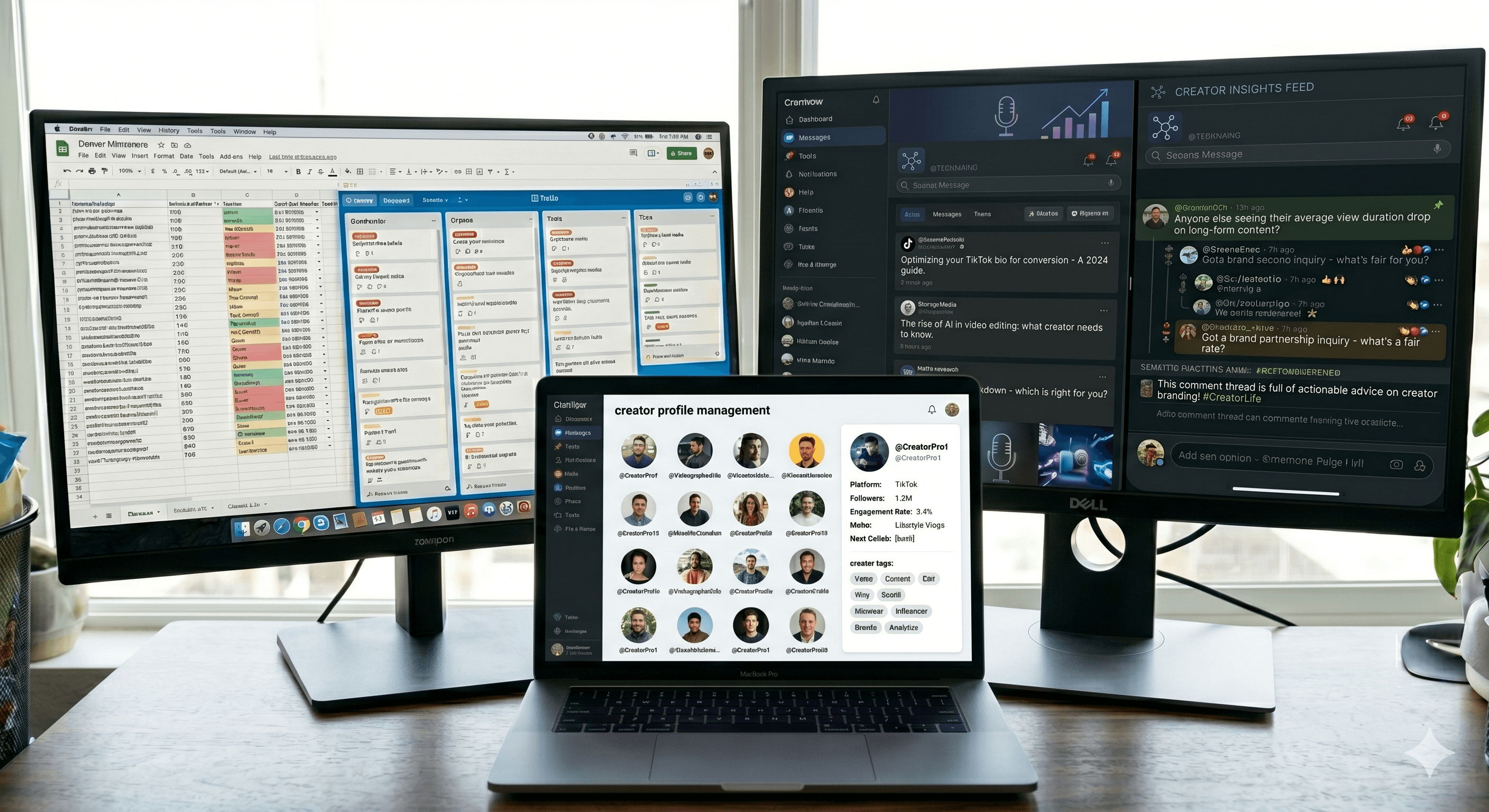
A team has a clear audience brief: men 35–44, travel-minded, mid-to-high income. They open the platform, filter by category and follower range, check that the creator's audience demographics match, confirm engagement is real and move to outreach. The process is fast, the logic is sound and every box is checked.
What the platform can't tell them, and what their brief doesn't capture, is whether that audience is in the right mindset for their product. The demographic match is there. The psychographic mismatch is invisible. And that's the layer that determines whether the campaign converts.
Audience alignment drives performance
Most influencer platforms can confirm whether an audience looks right on paper. Age range. Gender split. Geography. Interest categories. Engagement quality. What they struggle to show is whether that audience is actually aligned with the behavior your campaign depends on.
Every downstream decision in an influencer campaign — which creators to partner with, which platforms to prioritize, what content should say, how much to spend — is only as good as your understanding of who you're trying to reach.
Not the creator's follower count. Not their engagement rate. Not whether their aesthetic matches your brand. The audience: who they are, what they care about, where their attention lives and what motivates them to act. That's the influencer data that matters. Good audience AI should make that layer easier to see before a campaign launches.
Here's what that gap looks like in practice. A clean beauty skincare brand is targeting women in their late 20s. They check the creator's audience demographics — women, 24-32, strong beauty interest, good geographic spread. Everything checks out on paper. The platform confirms the audience is authentic, engagement is real and the niche is a fit. They move forward.
And then the campaign underperforms. Not dramatically, though. It has enough impressions, some engagement…but conversions are soft and the brand can't figure out why. What the platform couldn't show them is that this creator's audience, while demographically accurate, was oriented around affordable, accessible beauty.
Drugstore hauls, budget finds, dupes. The mindset was "how do I get more for less," not "what's worth investing in for my skin." For a premium clean beauty brand asking people to spend $60 on a serum, that psychographic gap killed the campaign before it started. Everything aligned in the dashboard. The campaign results told a different story.
What audience-first AI looks like
Lickly was built on the premise that influencer marketing strategy has to start with the audience, not the creator. That means AI isn't being used to find creators faster. It's being used to build a precise, data-driven picture of the audience before a single creator is considered — which is what genuine AI audience targeting looks like.
Audience intelligence starts at the micro-community level — where opinions form, behaviors spread, and buying intent takes shape. Not broad demographic buckets, but the specific spaces where they engage, share and form opinions. It looks like mapping their motivations, pain points and interests at a level of granularity that a standard audience persona doesn't come close to. It looks like knowing exactly who you're looking for on behalf of, and why, before you ever open a creator search.
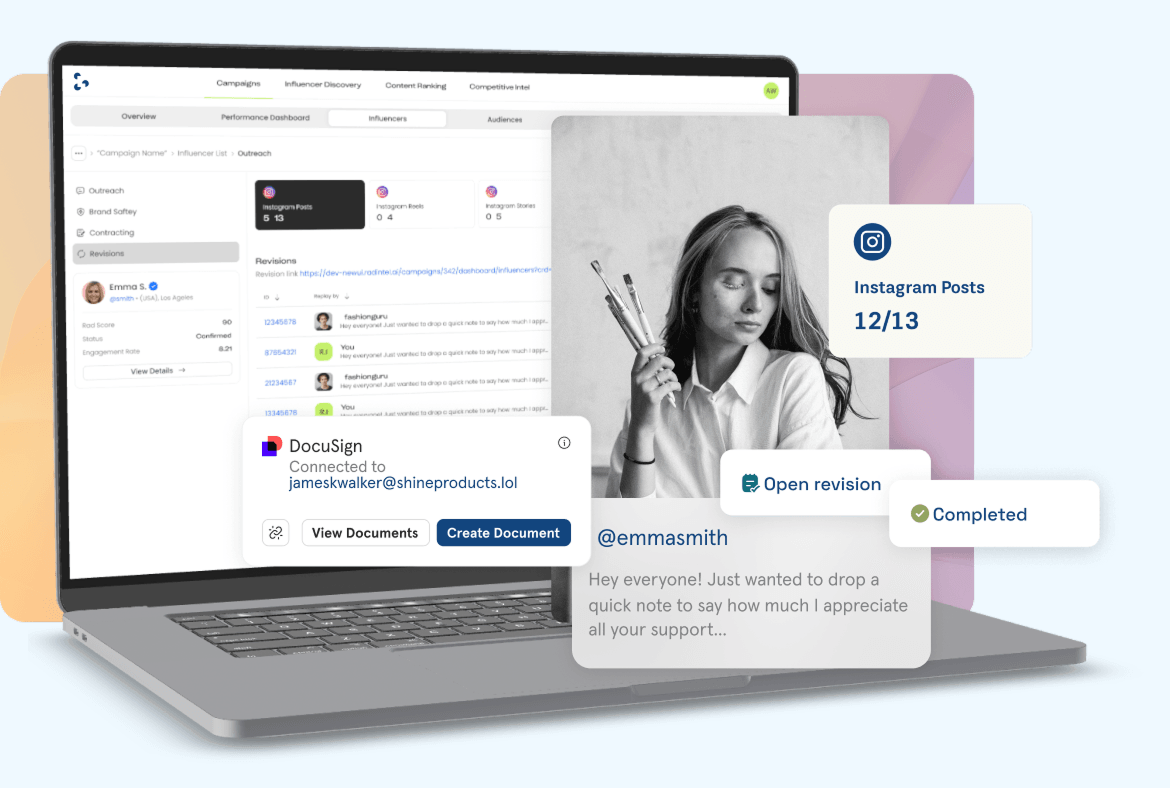
In practice, a team can open Lickly, input their brand context and campaign objectives, and have clear, usable audience segments in minutes, not weeks. Each segment comes with the key interests that define it, the language and themes that resonate, and guidance on which creators and content angles are most likely to land. When a new campaign starts, it doesn't start from scratch — it starts from a baseline that gets stronger every time, because Lickly's feedback loop pulls in real campaign performance and refines audience segments based on what actually worked.

From there, creator selection becomes a matching exercise against a defined audience profile, not a gut-feel shortlist built from follower counts and category tags. The AI improves the quality of information behind human judgment. It doesn't replace it.
Reporting should explain why
Most platforms reveal the limits of their approach at the reporting stage. Standard influencer reporting tells you what happened: reach, impressions, engagement rate, clicks. What it doesn't tell you is whether you reached the right people, whether the audience who engaged matches the segments you were targeting, or what to change next time.
Lickly's reporting stays tied back to the original audience strategy. Every metric is contextualized against the audience decisions made before the campaign started. You can see not just what performed, but why. Which micro-communities drove results, which content themes resonated inside them, and where the audience alignment was strongest. That's the influencer data that makes the next campaign smarter and the next decision stronger. It's also what makes influencer ROI defensible, not just presentable.
The real problem with AI in influencer marketing
The platforms that have added AI to their creator discovery workflows have made a real part of the process faster. But applying speed to the wrong starting point still leads teams back to the same problems: mismatched audiences, unclear performance signals, and campaigns that struggle to explain their own outcomes.
The audience AI problem in influencer marketing is a sequencing problem. AI is being deployed after the most important decision — who are we trying to reach? — has already been made by assumption. That gap is what keeps influencer marketing strategy stuck in the same loop: better tools, same flawed starting point.
Most influencer platforms optimize creator discovery. Lickly optimizes audience alignment. That difference changes every downstream decision — from creator selection to performance outcomes.
Start a free trial or book a demo to see how it works.