A Brand-Safe Creator Can Still Be the Wrong Investment


A creator can pass every brand safety check and still be the wrong investment. No offensive content. No questionable posting history. No suspicious engagement patterns. Nothing in the usual screening gives the team a reason to walk away.
Then the partnership goes live, and the comments tell a different story.
The audience doesn't trust the category. They ask why this creator, of all people, would promote this product. Some read the partnership as a break from the reason they followed the creator in the first place. None of it would show up in a review of the content. It lives in the relationship between the creator and the people who follow them.
It's a risk that's easy to miss when brand safety begins and ends with the creator.
What traditional brand safety checks
Most brand safety processes are built to answer one necessary question: could associating with this creator expose the brand to risk?
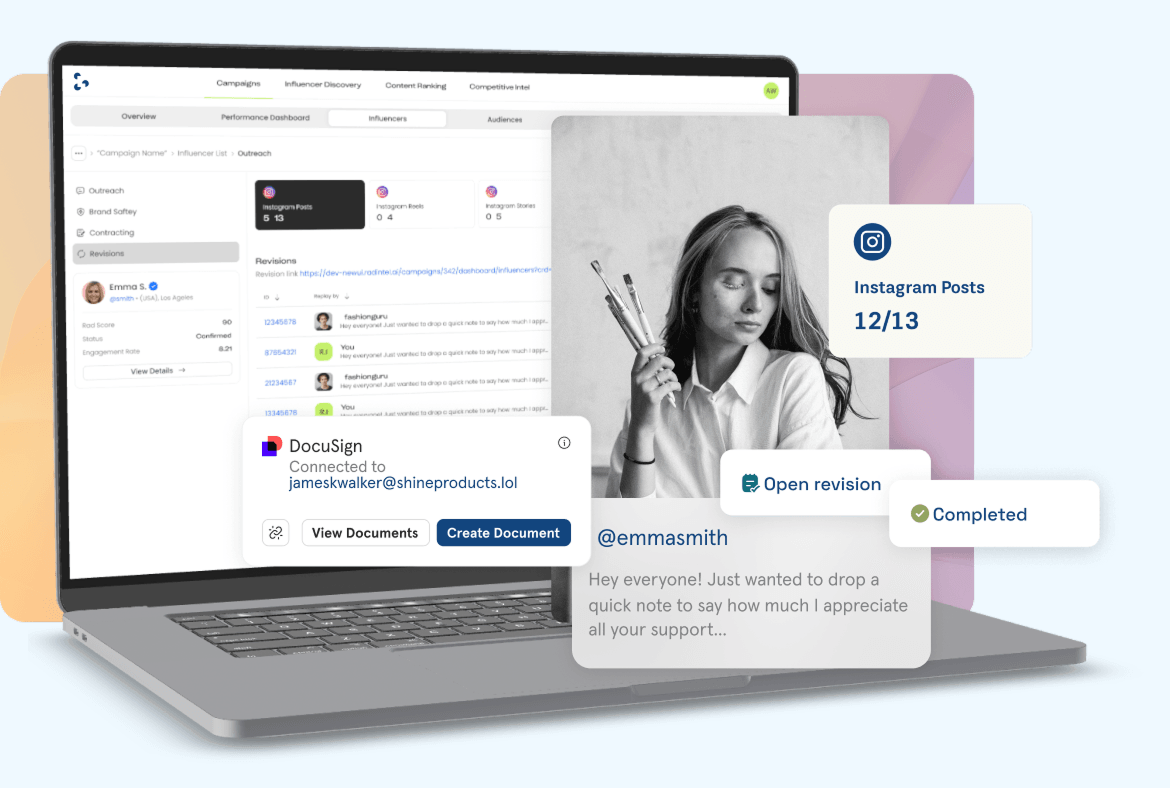
Teams look for offensive content, controversial histories, fraudulent behavior — the issues that make a partnership unsafe on its face. Those checks matter. Lickly's own Brand Safety Intelligence lets marketers set brand-specific parameters and see exactly what triggered a potential risk before a creator is ever scheduled.
Clearing those checks makes the partnership permissible. Choosing the right investment requires more than that.
Take a sustainable apparel brand weighing two creators. Both have clean histories and real audiences. One has built a community around buying fewer, better pieces. The other posts fast-fashion hauls and pushes followers toward the next weekly trend.
Neither creator is a brand safety problem in the traditional sense. For this brand, they are two completely different rooms to walk into.
The audience is part of the assessment
Here's what a content-only review misses — the brand isn't being placed next to a video. It's being placed in front of a community, one with its own beliefs, loyalties and reasons for showing up. That community decides what the partnership means.
A financial services brand can partner with a creator who clears every compliance and safety review, then discover the audience is deeply skeptical of financial institutions — and reads the sponsorship as proof. A premium food brand can back a beloved recipe creator whose followers organize around extreme budget shopping. A beauty brand can chase strong engagement and miss that the audience is there for anti-consumption content. In each case the creator looks safe on paper, but the paper never covered the part that actually created the exposure.
An audience follows a creator for a reason — a point of view, a set of values, a way of seeing the category. When a partnership cuts against that reason, followers notice. They question the recommendation, challenge the fit or simply ignore it. The brand has paid to enter a community without first understanding how that community would receive it.
Audience intelligence changes the assessment by making that environment visible before the partnership goes live. Interests, motivations, affinities, buying mindset and sentiment help explain whether a community is likely to see the brand as relevant, credible or out of place.
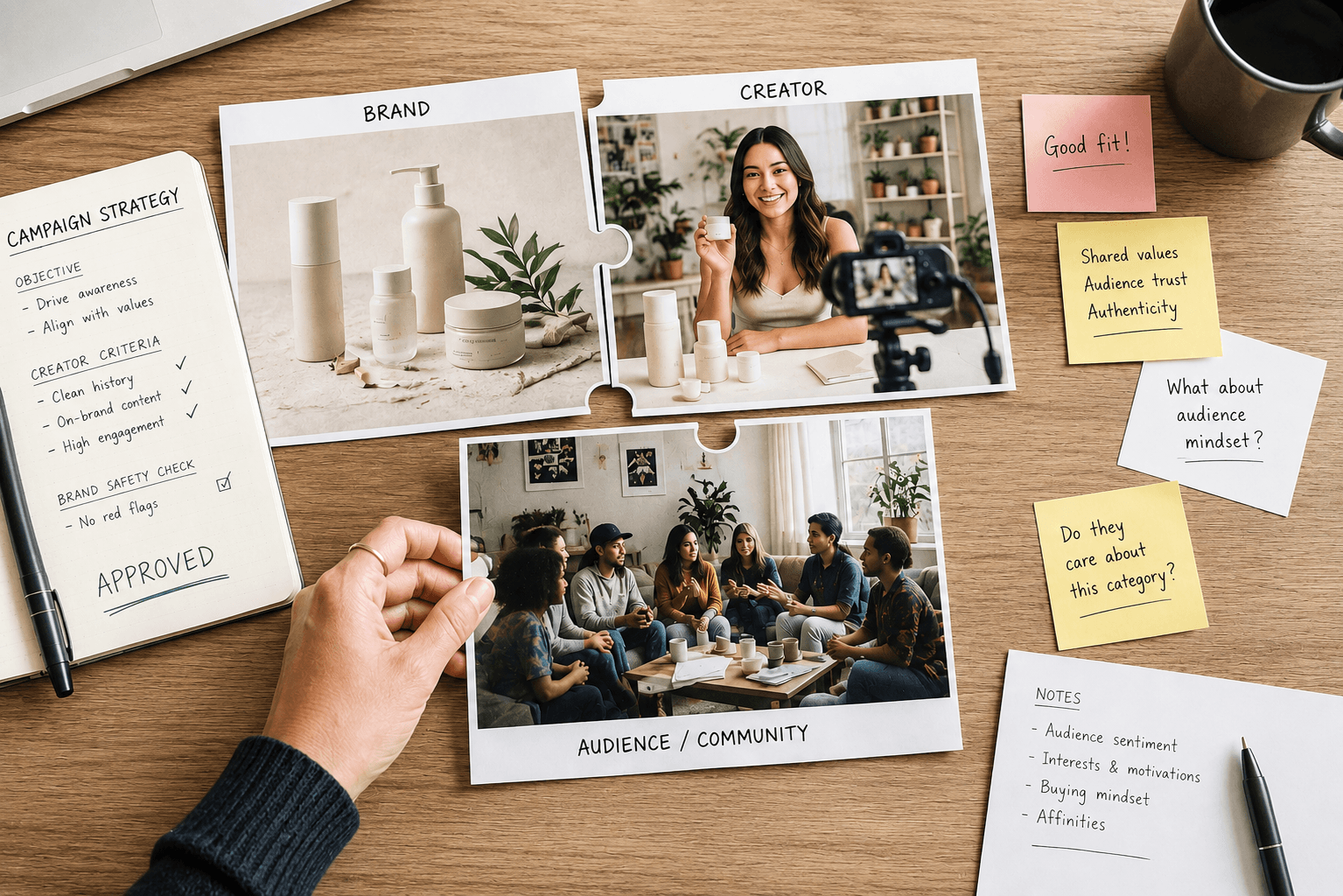
Lickly brings those inputs into the same decision. Brand Safety Intelligence evaluates creators against brand-specific parameters, while audience intelligence helps teams understand the communities behind them. Together, those inputs give marketers evidence for both sides of the decision: whether a creator clears the brand's safety requirements and whether the creator, audience and brand actually belong together.
Every brand has different boundaries
There's a second problem with treating brand safety as a fixed checklist. Brands don't share the same boundaries.
A topic that's a non-issue for one company is a real exposure for another. A creator's humor or history can sit comfortably inside one brand's identity and completely outside another's. Even audience sentiment carries different weight depending on what a brand sells and what it stands for. A generic safe-or-unsafe label flattens all of that.
Brand-specific guardrails are more useful because they force a team to name what it's actually protecting. They can also leave more room for the creator to sound like themselves.
When a brand knows where its actual boundaries sit, it doesn't need to manage every possible risk through a rigid script — the creator keeps the language and delivery their audience trusts, and the brand stays clear on what falls outside the line. Creative control shouldn't have to compensate for uncertainty the team could have resolved before the brief was written.
The boundaries have to make sense for the brand, the creator and the community they're entering together. When the boundaries account for all three, brand safety becomes part of the strategy much earlier in the process.
Timing changes the cost of the decision
Catching a mismatch after a creator is selected is the most expensive place to catch it. By then the team has done the research. Someone has approved the recommendation. Outreach may be underway, budget may be committed, and in the worst version the content is already made before anyone names the problem.
Moving the assessment earlier changes what a team can prevent. Creator history gets weighed alongside audience fit. Brand-specific risks surface while creators are still being compared. And the team can see the reasoning behind a recommendation — the evidence for why this creator, this audience, this fit — before money starts moving.
In practice, that's the difference between learning about an audience's skepticism from a comment thread and seeing it before the partnership is approved — early enough to choose a different creator, adjust the brief or decide the risk is worth taking.
That's where brand safety becomes part of decision intelligence: not simply identifying risk, but bringing the evidence needed to decide whether a partnership should move forward before budget is committed. Because by the time the comments tell you you've entered the wrong room, you've already paid to be there.
That's the principle behind Lickly's Brand Safety Intelligence: assess the creator and the community together, before the brand steps in, so every partnership is one you can defend.
Book a demo to see how it works.