Influencer Brief: How to Write One + Template and Examples

Give a creator too little direction and you risk getting content that misses the campaign entirely. Give them too much, and you risk turning their content into an ad that sounds nothing like them.
A strong influencer brief sits somewhere in the middle. It gives creators the context and boundaries they need while leaving enough room for the voice, ideas and perspective that made you want to work with them in the first place.
But good direction starts before the content requirements. First, define who you want to reach and what you want them to do. Then decide what the creator needs to deliver. Starting with a clear audience strategy gives you a stronger foundation for choosing creators, shaping the message and deciding what the campaign should ask them to create.
In this guide, we'll break down how to create an effective influencer briefing, what to include, what to leave out and the common mistakes to avoid. You'll also get a practical template and a completed example to help you build your own.
Key Takeaways
A strong influencer brief gives creators clear direction without taking away creative freedom.
Start with the audience and campaign objective, then define messaging, deliverables and creative requirements.
Keep the brief focused. Give creators the information they need to execute the campaign without turning the brief into an overloaded brand document.
Be clear about non-negotiables without turning key messages into a word-for-word script.
Use the template, completed example, and checklist in this guide to build your next influencer brief.
What is an influencer brief?
An influencer brief is a document a brand or agency shares with a creator before a campaign to align on the audience, goals, key messages, deliverables, creative direction, timelines and expectations. It gives creators enough context to produce on-brand content while leaving room for their own voice and creative style.
Simply put, an influencer brief tells a creator who the campaign needs to reach, what it needs to achieve and what is expected from the partnership.
You may also hear it called an influencer marketing brief, creator brief or influencer campaign brief. Whatever the name, its job is the same: get the brand, agency and creator working from the same direction before content production begins.
The brand or agency typically prepares the brief once the campaign strategy and creator partnership are taking shape, then shares it before content is created. The goal isn't to document every possible detail. It's to give the creator the information they need to get the content right without turning the brief into a script.
A clear influencer brief can also reduce unnecessary revisions later. When the audience, campaign objective, deliverables, deadlines and non-negotiables are agreed on upfront, there is less room for different interpretations once content starts moving through review. As your creator program grows, having a defined influencer workflow also makes it easier to keep creators, content, approvals and campaign activity organized.
Influencer brief vs. creative brief vs. content brief
An influencer brief covers the bigger picture of the creator partnership. It brings together the audience you're trying to reach, campaign goals, key messages, deliverables, timelines, expectations and other details the creator needs before getting started.
A creative brief goes deeper into how the campaign should look and feel. It typically covers the creative concept, tone, visual direction, brand guidelines and messaging. An influencer creative brief may be a standalone document for a larger campaign, but for simpler partnerships, that direction can live inside the main influencer brief.
A content brief is narrower still. It focuses on the requirements for a specific piece of content, such as the format, topic, talking points, CTA, specifications and deadline.
You don't necessarily need three separate documents. For most influencer campaigns, one well-structured brief can cover the campaign, creative direction and content requirements without making the process more complicated than it needs to be.
Influencer brief vs. media kit
An influencer brief and a media kit serve different sides of the same partnership.
A brand or agency sends an influencer brief to a creator. It explains the campaign, who the brand wants to reach, what it wants to achieve and what it expects from the creator.
A creator sends a media kit to a brand or agency. It introduces the creator and typically includes information about their audience, platforms, content, performance, previous partnerships and sometimes rates.
If you're planning a campaign and giving creators direction, you need an influencer brief. If you're a creator presenting yourself to potential brand partners, you're looking for an influencer media kit.
Why influencer briefs matter
A clear influencer brief aligns the brand and creator before content production starts. The creator knows who the campaign needs to reach, what success looks like, what needs to be delivered and which requirements are non-negotiable. That leaves less room for different interpretations once the first draft arrives.
But alignment doesn't mean controlling every creative decision. Research on influencer marketing effectiveness shows that factors such as creator-brand fit, how creators communicate, their audience and the content itself can all influence campaign outcomes. A good brief should guide those elements without taking away the creator's ability to communicate naturally with their audience.
That's an important distinction when writing an influencer marketing brief. The goal isn't to make every creator sound like the brand's marketing team. Give them the campaign context and non-negotiables, then leave enough room for them to communicate in a way that makes sense for their audience.
A good brief also creates a foundation for measurement. Define the campaign objective and influencer marketing KPIs before content goes live, and you have something meaningful to measure against afterward.
That step is easy to skip. 44% of surveyed marketers were running influencer campaigns without KPIs in place, while half said they couldn't prove ROI. A brief won't solve attribution on its own, but defining success before launch gives the campaign something concrete to work toward and measure against.
How to write an influencer brief
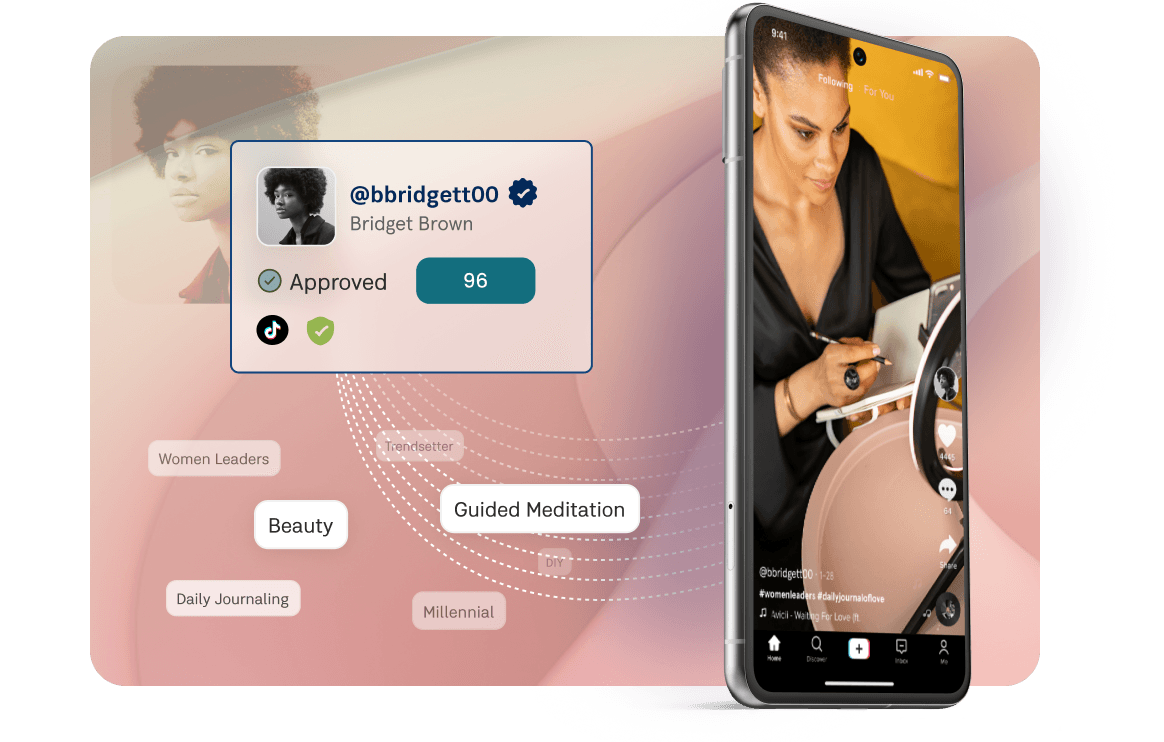
Wondering what an influencer brief should include? Start with the audience and campaign strategy, then work your way into the creative and operational details. A good brief should give creators enough context to understand the brand, who they're trying to reach, why the campaign exists, what success looks like and what they need to create.
Here's how to write an influencer brief, step by step:
1. Define your target audience
2. Introduce your company and product
3. Explain the campaign
4. Set your objectives and KPIs
5. Define creator requirements and audience fit
6. Write your key messages and talking points
7. Set the deliverables and channels
8. Add creative direction, dos, don'ts and inspiration
9. List mandatory elements and disclosure requirements
10. Set the timeline and content review process
11. Explain compensation and payment
12. Define usage rights and exclusivity
1. Audience definition
Start with the people you actually want to influence, not a list of creators.
Before you decide who belongs in the campaign, define the audience using the signals that matter: demographics, interests, behaviors, communities, purchase intent or the problems your product solves. The clearer that audience is in the brief, the easier it becomes to make decisions about creators, messaging and content later.
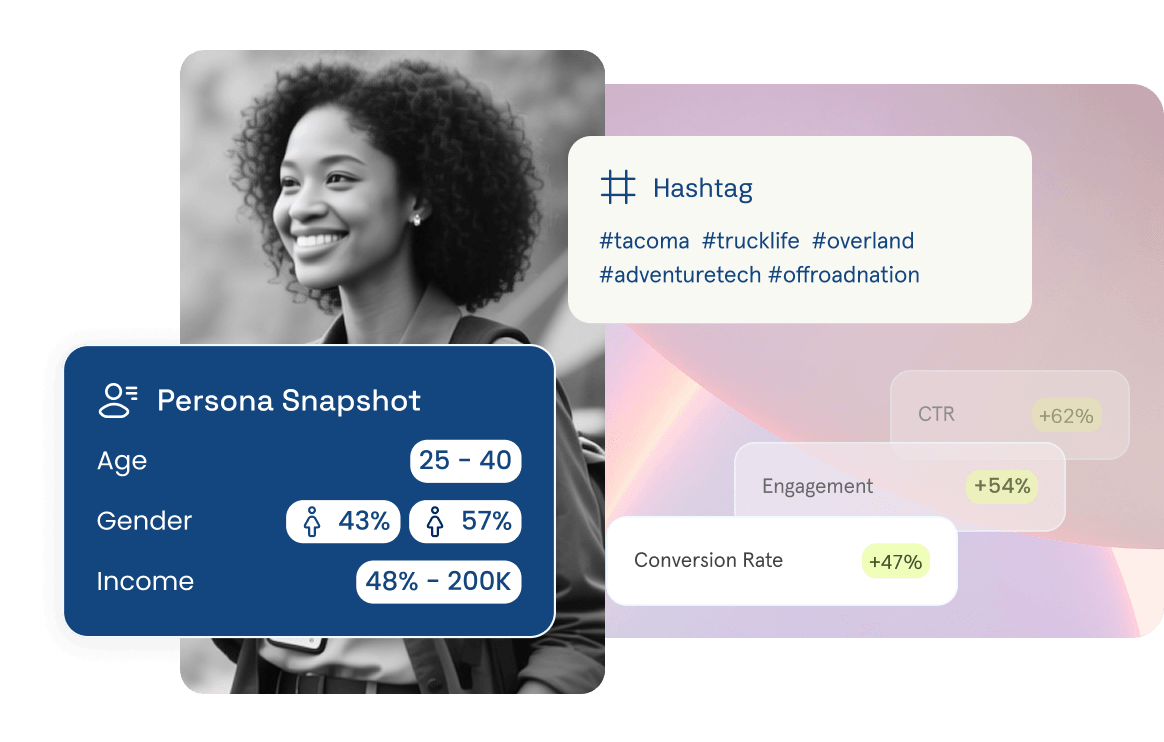
This is where Lickly's audience-first approach fits. Instead of beginning with a creator database and filtering down, Lickly lets you build the audience first, understand what shapes their decisions, and then use that intelligence to guide creator selection.
Two creators can look nearly identical on the surface and still reach very different people. Similar follower counts, engagement rates and content categories don't necessarily mean similar audience fit. That's why the brief should establish who needs to be influenced before defining who should influence them.
A clear audience strategy gives everyone working on the campaign the same starting point.

2. Company and product overview
Give creators enough background to understand who you are, what you're promoting and why someone should care.
Keep it concise. This isn't the place to paste your entire About page or brand deck. Include the information that will actually help a creator understand and talk about the brand, such as:
What your company does
The product or service being promoted
The problem it solves
Important product benefits or differentiators
Your brand's purpose and values
Relevant social accounts or resources
The creator's main point of contact
Values can be particularly useful when they're relevant to the partnership. Creators have their own audiences and reputations to protect, so give them enough context to understand why the collaboration makes sense for both sides.
If you have real customer language, reviews, product FAQs or other resources that help explain how people use and talk about the product, you can link those here too.
3. Campaign overview
Next, explain what the campaign is actually about.
The overview should be a short description of the campaign, what you're promoting, why you're running it and any important context the creator needs.
For example:
We're launching our new SPF moisturizer in May and partnering with skincare creators to introduce it to people looking for lightweight everyday sun protection ahead of summer.
That's much more useful than simply writing “Summer 2026 influencer campaign.”
You can also include the campaign period, offer or promotion, launch date and other high-level details here. Keep the overview focused; the next section is where you define exactly what the campaign needs to achieve.
4. Objectives and KPIs
Now answer the question: what does success look like?
Your objective might be increasing awareness for a new product, driving qualified traffic, generating leads, increasing purchases, growing consideration or reaching a new audience.
Then connect that objective to the metrics you'll actually use to evaluate it.
For example:
Objective: Generate purchases for a new product. Primary KPI: Purchases attributed to the creator's unique link or promotional code.
Or:
Objective: Introduce the brand to a new audience. Primary KPI: Qualified reach within the target audience.
Keep the language understandable. A creator doesn't necessarily need a dashboard full of marketing acronyms, but they should understand what the campaign is trying to accomplish and how their content contributes to it.
This is an area where many campaigns still fall short. WARC reported that 44% of surveyed marketers were running influencer campaigns without KPIs in place, while half said they couldn't prove ROI.
Our guide to influencer marketing KPIs goes deeper into choosing metrics based on what the campaign is designed to achieve.
5. Creator requirements and audience fit
Once the audience and campaign objective are clear, define what makes a creator right for the campaign.
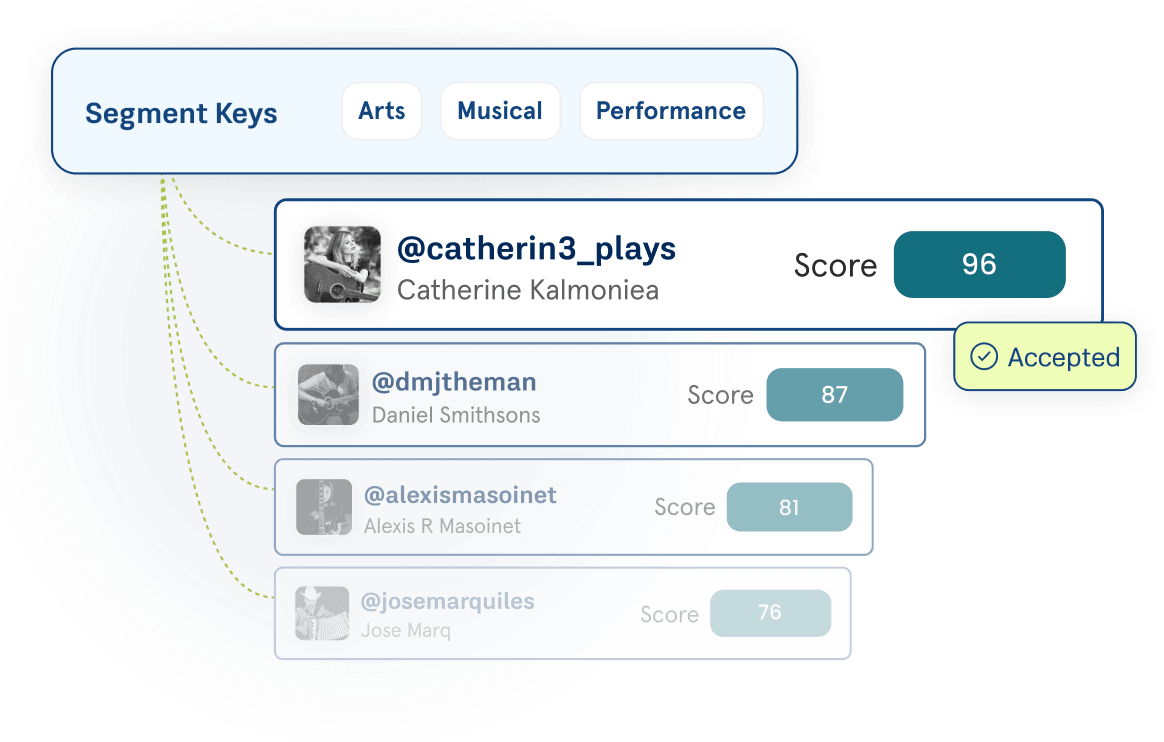
Requirements might include location, platform, content category, brand alignment, previous partnerships, audience characteristics or campaign-specific criteria. But don't build your shortlist around follower count and engagement rate alone.
The more useful question is: does this creator actually influence the audience we defined at the beginning?
Lickly's influencer discovery connects creator selection back to audience intelligence, helping teams evaluate creators based on the people behind their following rather than relying only on surface-level metrics.
Instead of defining your ideal creator as “a beauty creator with 50K–250K followers,” you can get much more specific about who their audience should be and why they're relevant to the campaign.

6. Key messages and talking points
Tell creators what you want the audience to understand after seeing the content.
Include the most important product benefits, campaign messages, proof points or talking points they should know. Focus on a few priorities rather than giving them paragraphs to repeat word for word.
For example, instead of:
“Our moisturizer uses advanced lightweight hydration technology and SPF 50 protection.”
Give them the underlying message:
Key message: Everyday sun protection doesn't have to feel heavy or greasy.
Now the creator can communicate that idea in a way that fits their content and audience.
Give creators the message, not the script.
7. Deliverables and channels
Be specific about what the creator needs to produce and where it needs to appear.
Include:
Platform
Content format
Number of deliverables
Video length or technical specifications where necessary
Feed, Story, Reel, Short, livestream or other placement
Cross-posting requirements, if applicable
For example:
Instagram: 1 Reel, 30–60 seconds
Instagram Stories: 3 frames posted on launch day
A good influencer content brief removes ambiguity about the output while leaving room for creativity within it.
8. Creative direction, dos, don'ts and inspiration
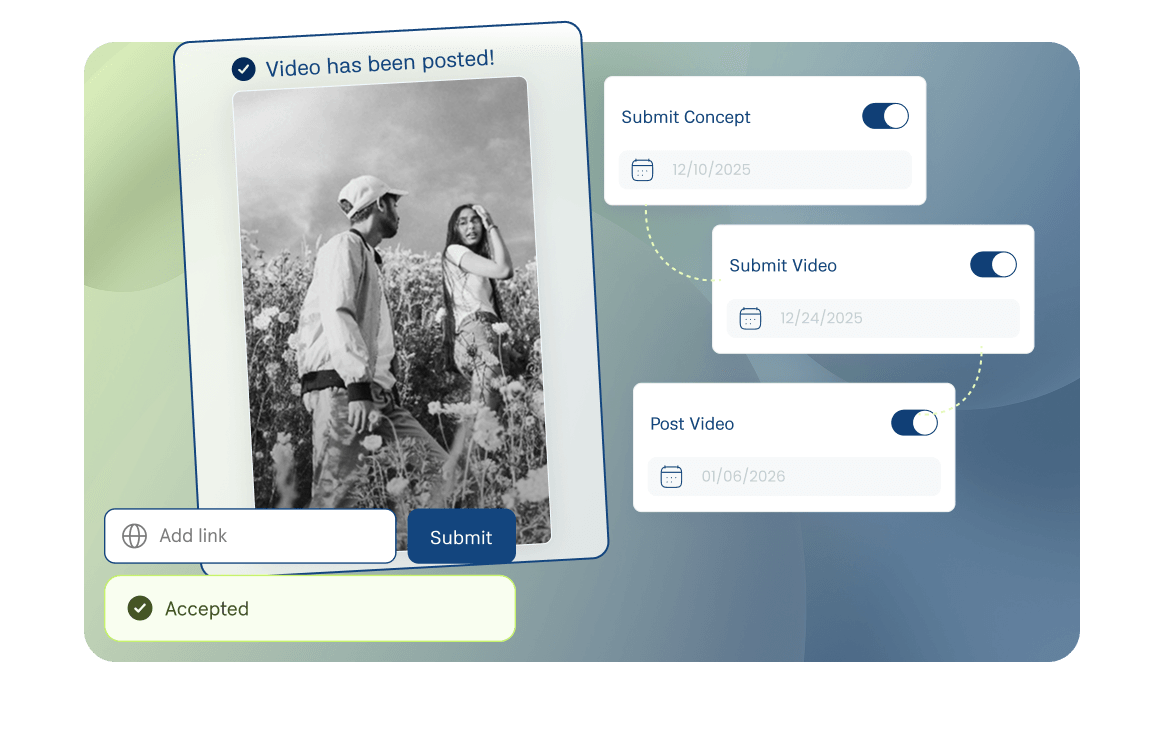
Give creators guardrails for how the campaign should look and feel.
Include relevant guidance around tone, visual style, product presentation, claims, competitor mentions, prohibited topics and brand safety. If there are specific requirements, such as showing the product being used or keeping the logo visible, make them clear.
And don't limit brand safety to the caption. Consider what's visible or happening on screen too: other products, logos, locations, language, music, behaviors or situations that could create an unwanted association.
Examples can help. If you have previous content, a mood board, visual references or examples of the type of execution you're looking for, include them as inspiration rather than something to copy.
Your influencer creative brief should establish the playing field. The creator should still decide how to play within it.
9. Mandatory elements and disclosure
Separate true requirements from general creative guidance so they're impossible to miss.
These might include:
CTA
Brand or product mention
Tagged account
Campaign hashtag
Promotional code
Tracking link
Required product name
Disclosure language
Disclosure deserves particular attention. In the U.S., the Federal Trade Commission's guidance for social media influencers says material connections with brands should be disclosed and that the disclosure should be difficult to miss and placed with the endorsement itself.
A material connection isn't limited to direct payment. Free or discounted products and certain other relationships with a brand can also require disclosure.
Rules vary by jurisdiction and platform, so make the requirements for your campaign clear rather than assuming every creator will handle them the same way.
10. Timeline and content review process
Don't just give creators a publishing date. Show them what needs to happen before that date too.
Your timeline might include:
Product delivery
Concept deadline
First draft
Internal review
Creator revisions
Final approval
Publishing date
Reporting deadline
Explain how approvals work as well. Who reviews the content? Where should drafts be submitted? How quickly will your team provide feedback? How many revision rounds are included?
These details become increasingly important as the number of creators grows. Lickly's influencer workflow helps keep creator communication, content, approvals and campaign activity connected in one place, so every creator campaign can move forward without relying on scattered inboxes, spreadsheets and separate tools.
11. Compensation and payment process
Be clear about what the creator will receive and how payment works.
Depending on how your partnerships are structured, include the agreed fee, payment schedule, payment method, invoicing requirements and the person creators should contact if there's an issue.
If those details live in a separate influencer contract, that's fine. You can simply make that clear in the brief rather than duplicating every contractual term.
The important thing is that the creator shouldn't finish the campaign wondering when or how they're getting paid.
12. Usage rights and exclusivity
Finally, make sure both sides understand what happens to the content after it's created.
Specify whether the brand can repost the content organically, use it in paid advertising, run it through creator partnership ad formats or use it on other channels. Where relevant, define the platforms, markets and duration covered.
If exclusivity applies, be specific. “Don't work with competitors” leaves too much room for interpretation. Define the category or competitors covered and how long the restriction lasts.
The full legal terms may belong in the influencer contract rather than the brief, but the two documents should tell the same story about what has been agreed.
Once the brief is ready, the next challenge is getting it in front of the right people. Our influencer outreach guide covers how to approach creators, personalize your message, follow up, negotiate and move interested creators into active partnerships.
Influencer brief template
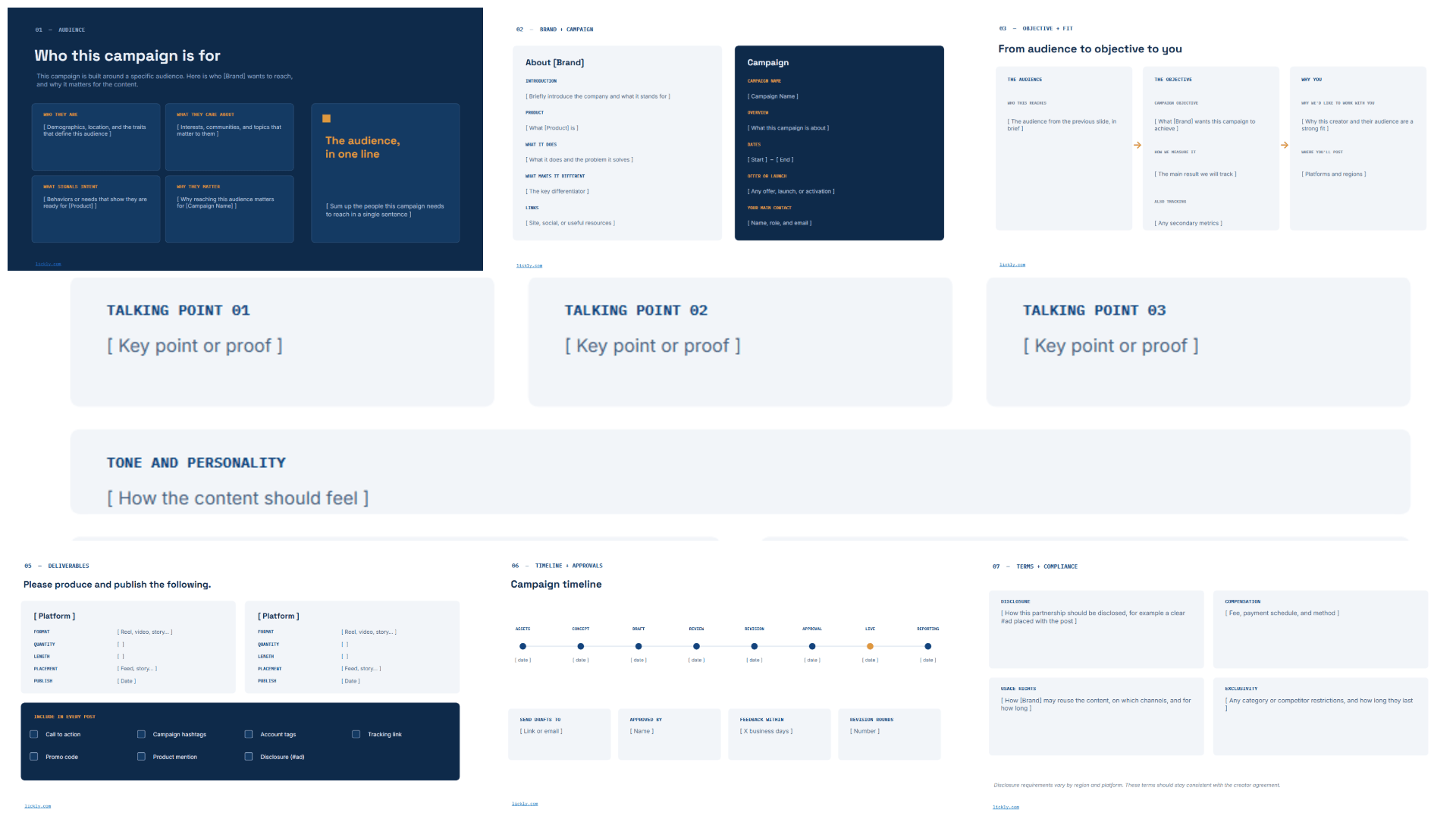
You don't need to start every creator campaign with a blank document. We've created a free influencer brief template you can copy and customize for your brand, audience and campaign.
The template follows the same audience-first approach covered in this guide. It takes you from defining who you want to reach through your campaign objectives, creator fit, messaging, deliverables, creative direction, approvals, compensation and usage rights.
Use the influencer briefing template for a single creator partnership or adapt it for a larger campaign with multiple creators. Make a copy, replace the placeholders with your campaign details, remove anything you don't need and it's ready to share with your creators.
Get the free influencer brief template
Completed influencer brief example
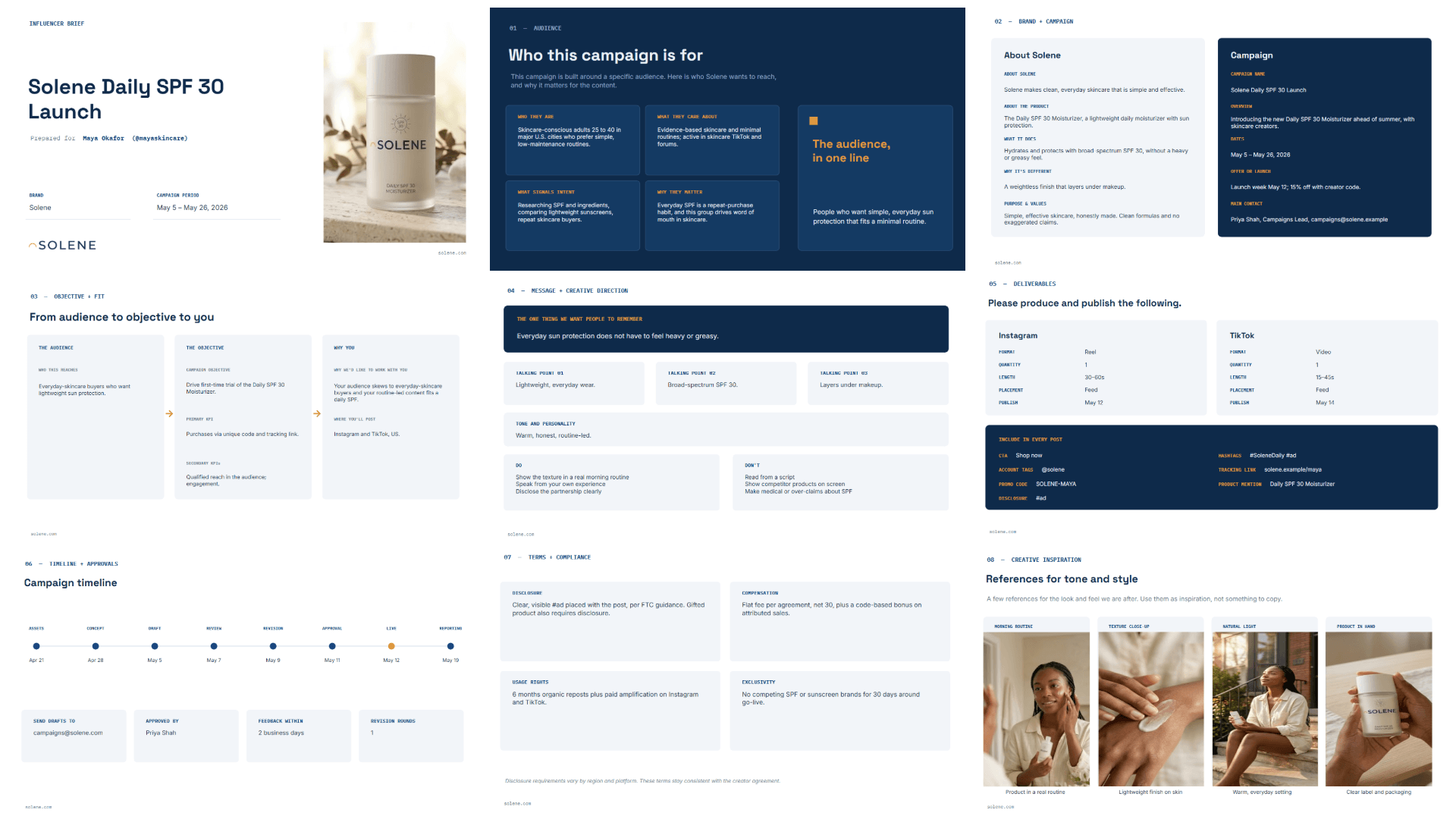
Want to see what a finished brief actually looks like? We've filled out the template for a fictional skincare campaign so you can see how each section works in practice.
The influencer brief example shows how the audience should guide the decisions that follow. Instead of starting with “we need skincare creators,” the campaign first defines who it needs to reach, then connects that audience to the campaign objective, creator fit, messaging, deliverables and measurement.
Use this influencer campaign brief example as inspiration for your own. Your audience, objectives, creators and requirements will be different, but the same structure can help connect each decision back to the purpose of the campaign.
View the completed influencer brief example
Common influencer brief mistakes to avoid
Even a detailed influencer brief can create problems if it gives creators the wrong information or too much direction. Before sending yours, watch for these common mistakes:
Briefing creators before defining the audience. Don't start with who you want to hire. Start with who you need to influence, then look for creators whose audiences align with those people.
Over-scripting the content. Key messages and non-negotiables are useful. Writing exactly what a creator should say can make the content feel forced and take away the voice that made their audience follow them in the first place.
Making the brief too vague. Asking for “an engaging Instagram Reel” isn't enough. Clearly define the format, deliverables, mandatory elements, deadlines and other expectations.
Adding too much information. A longer brief isn't automatically a better brief. Keep the information creators need to execute the campaign and link to supporting resources when more detail is necessary.
Choosing creators based on surface-level metrics. Follower count and engagement rate don't tell you everything about audience fit. Evaluate who the creator actually reaches and whether that audience aligns with the campaign.
Confusing objectives with KPIs. An objective describes what you're trying to achieve. KPIs tell you how you'll measure whether you achieved it. Your brief should make both clear.
Leaving the review process unclear. Tell creators whether content needs approval, where to submit drafts, when feedback will arrive and how revisions will work.
Forgetting disclosure requirements. Don't wait until content is ready to publish to think about disclosure. Set the requirements before creators start producing content.
Leaving usage rights and exclusivity open to interpretation. Be clear about how the content can be used, for how long and whether any restrictions on working with other brands apply.
Frequently asked questions about influencer briefs
What is an influencer brief?
An influencer brief is a document a brand or agency shares with a creator before a campaign. It explains the target audience, campaign objectives, key messages, deliverables, creative direction, timelines and expectations so both sides understand what the partnership needs to accomplish before content production begins.
What should an influencer brief include?
An influencer brief should include the target audience, company and product information, campaign overview, objectives and KPIs, creator requirements, key messages, deliverables, creative direction, mandatory elements and disclosures, timeline and approvals, compensation, usage rights and any exclusivity requirements relevant to the partnership.
How long should an influencer brief be?
There is no universal page count for an influencer brief. Keep it as concise as possible while including everything the creator needs to execute the campaign correctly. If you have extensive brand guidelines, legal information or supporting materials, link to those resources rather than overloading the main brief.
Who writes an influencer brief?
The brand or agency running the campaign typically writes the influencer marketing brief and sends it to the creator before content production. Depending on the campaign, influencer marketing, social, creative, brand, legal or client teams may contribute information before the final version is shared.
What is the difference between an influencer brief and a creative brief?
An influencer brief covers the overall creator partnership, including the audience, campaign objectives, deliverables, timelines, compensation and expectations. An influencer creative brief focuses more specifically on messaging, tone, visual direction and creative execution. For many campaigns, the creative direction can simply be included within the main influencer brief.
What is the difference between an influencer brief and a media kit?
An influencer brief and media kit move in opposite directions. A brand or agency sends an influencer brief to a creator to explain the campaign and expectations. A creator sends a media kit to a brand or agency to showcase their audience, content, performance, previous partnerships and other information relevant to a potential collaboration.