Why Influencer Marketing Works Better When You Start With the Audience


For years, influencer marketing has been built backward.
Teams start with creators. They scroll profiles, scan follower counts, glance at engagement, and hope the content connects. When it doesn’t, they call it testing and move on.
That approach was understandable when influencer marketing was new. It’s no longer defensible now that the channel carries real budgets, real expectations, and real accountability.
The shift we’re seeing in 2026 is simple but meaningful: the most effective teams are no longer asking who should we work with first. They’re asking who are we trying to influence, and where does influence actually form.
That question changes everything.
Influence today doesn’t live in feeds. It lives in micro-communities. Small, fast-moving clusters organized around shared routines, aesthetics, opinions, and cultural context. These communities decide what feels native, what feels forced, and what gets ignored immediately.
When brands miss that context, performance suffers. Not because creators fail, but because the content never belonged where it showed up.
Starting with the audience fixes that.
When teams understand which micro-communities matter in their category, they can make better decisions earlier. They can see what kinds of conversations already exist. Which formats earn attention. Which creators already speak the language of the audience instead of translating brand messaging into it.
That upstream clarity reduces guesswork downstream.
It also changes how influencer programs operate internally. Briefs become more focused. Approvals move faster. Creative conversations shift from taste to fit. Instead of debating whether content feels authentic, teams can evaluate whether it belongs in a specific cultural context.
This is especially important for mid-market brands.
Mid-market teams face enterprise-level pressure with fewer resources. They don’t have the luxury of endless experimentation or large agencies doing cultural analysis behind the scenes. Every decision carries more weight. Every miss is more expensive.
What these teams need isn’t more creators or more tools. They need fewer unknowns.
At Lickly, that’s the problem we’re focused on solving.
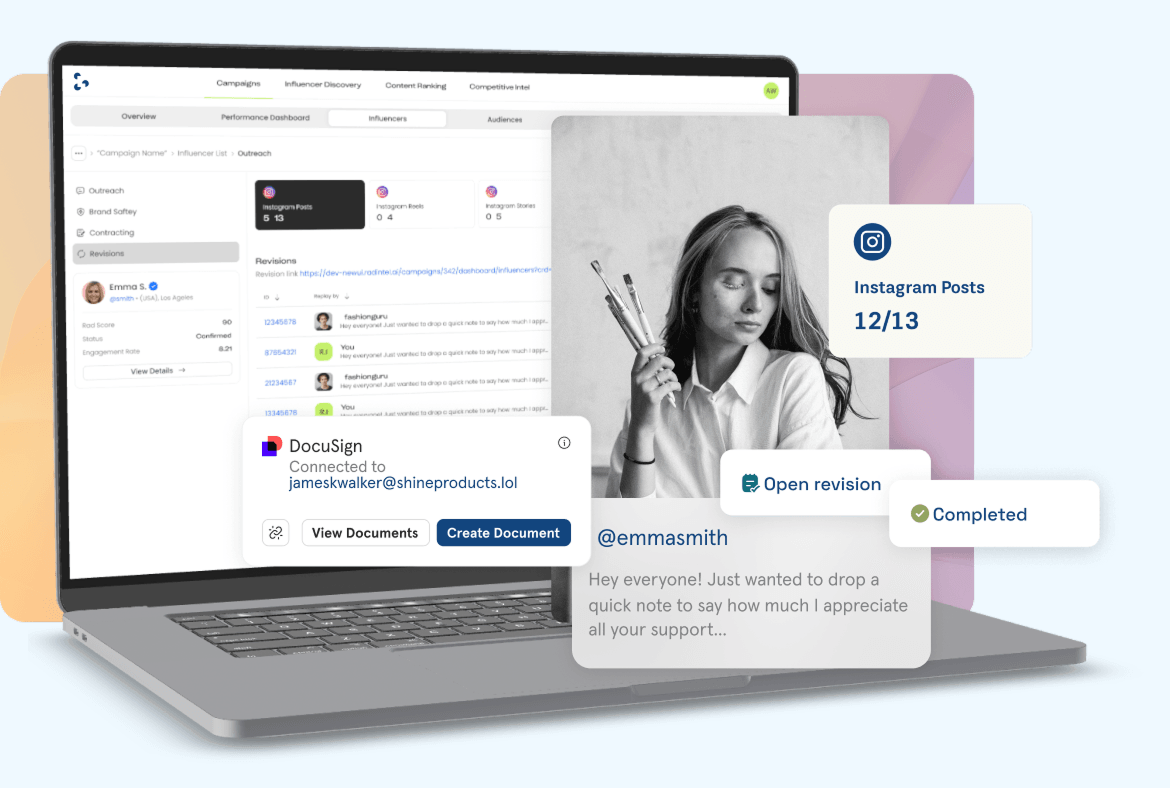
We built Lickly around the idea that influencer marketing should behave like a performance channel, not a gamble. That means starting with audience insight and micro-community understanding, then translating that context into clearer choices around creators, content angles, and placements.
It doesn’t mean removing creativity. It means respecting how culture actually works.
When teams can digest what people are already talking about, how they’re talking about it, and who they already trust inside those conversations, influencer marketing becomes easier to plan and easier to defend. Budgets get allocated with more confidence. Stakeholders align earlier. Results compound instead of resetting every campaign.
This is also where the idea of “one-stop platforms” needs to evolve.
Consolidation only works when intelligence comes first. Bringing execution tools together without improving decision quality just centralizes confusion. The opportunity isn’t to add more features. It’s to help teams make better choices before money moves.
The goal isn’t to eliminate risk entirely. It’s to eliminate avoidable risk.
When influencer marketing starts with audience insight, micro-community context, and cultural fluency, teams stop reacting to performance after the fact. They start acting with intent.
That’s the shift we believe defines the next chapter of influencer marketing—and it’s the system we’re building at Lickly.